
 EN
EN
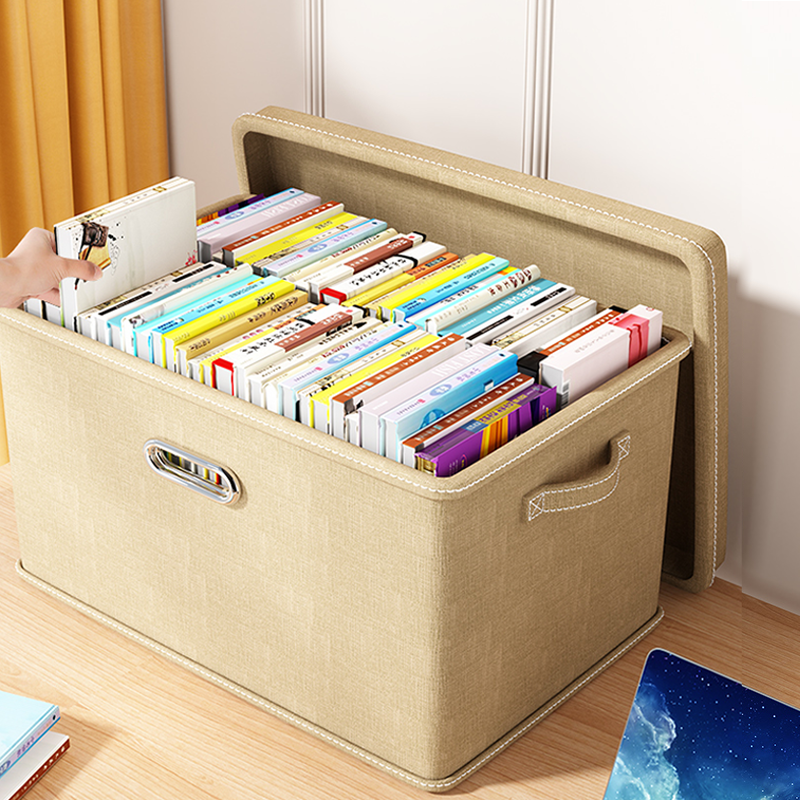
Small-space living has become increasingly common in urban environments worldwide, where square footage comes at a premium and every piece of furniture must justify its presence. In these compact settings, traditional furniture arrangements often fall short, leaving residents struggling to balance comfort, functionality, and organization. The storage stool has emerged as a transformative solution for this challenge, offering a unique combination of seating, storage capacity, and space efficiency that addresses multiple needs simultaneously. This multifunctional piece solves the fundamental dilemma facing small-space dwellers: how to maximize utility without sacrificing livability or visual appeal.
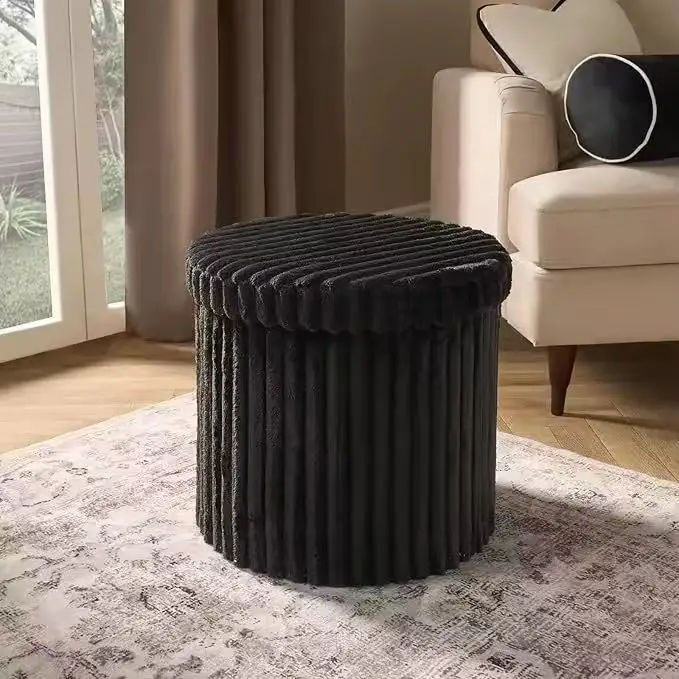
The necessity of a storage stool in limited living areas stems from its ability to consolidate multiple functions into a single footprint, effectively multiplying the utility of each square foot. Unlike conventional seating or standalone storage units that serve singular purposes, this innovative furniture piece addresses the spatial constraints that define modern compact living. When floor space becomes a critical resource, furniture that performs double or triple duty transitions from convenient to essential, making the storage stool an indispensable component of intelligent small-space design strategies.
The Spatial Economics of Multifunctional Furniture
Understanding the Square Footage Crisis in Modern Living
Urban residential spaces have steadily decreased in size over the past two decades, with studio apartments and micro-units becoming standard offerings in metropolitan markets. This reduction in living space has fundamentally altered how residents approach furniture selection and room planning. Every item occupying floor space must now demonstrate clear value beyond its primary function, creating demand for pieces that serve multiple roles without expanding their physical footprint. The storage stool directly addresses this economic reality by combining seating capacity with concealed storage volume.
Traditional furniture arrangements typically allocate separate zones for seating and storage, consuming valuable square footage through redundant functions. A conventional chair occupies floor space purely for sitting, while a separate cabinet or bin handles storage needs, effectively doubling the spatial investment. The storage stool collapses this redundancy by vertically integrating these functions, allowing the same footprint to deliver both seating surface and internal storage capacity. This vertical optimization becomes particularly crucial in spaces where horizontal expansion is physically impossible.
The Financial Logic Behind Space-Efficient Furnishing
The cost per square foot in urban housing markets has reached unprecedented levels, making efficient space utilization not merely an aesthetic preference but an economic imperative. When monthly rent or mortgage payments reflect the true cost of occupied space, furniture that maximizes utility per square foot delivers tangible financial returns. A storage stool that occupies two square feet while providing both seating and twenty liters of storage capacity effectively delivers double value compared to single-function alternatives occupying equivalent space.
This financial logic extends beyond initial space costs to encompass the broader economics of small-space living. Residents of compact apartments often face choices between purchasing additional storage units or decluttering possessions, both of which carry costs in money, time, or emotional value. By incorporating storage capacity into existing seating furniture, the storage stool eliminates these forced choices, allowing residents to maintain necessary possessions without sacrificing living space or incurring additional furniture expenses.
Practical Storage Capacity Within Compact Dimensions
Volume Optimization Through Intelligent Design
The internal storage capacity of a quality storage stool typically ranges from fifteen to thirty liters, depending on its external dimensions and structural design. This volume proves surprisingly accommodating for the categories of items that create clutter in small spaces: seasonal accessories, entertainment materials, personal care products, and miscellaneous household items that lack dedicated storage locations. The enclosed nature of this storage keeps these items concealed yet accessible, maintaining visual tidiness while preserving functional accessibility.
Design innovations in storage stool construction have progressively increased internal volume without expanding external dimensions. Modern examples utilize thin-wall construction techniques, optimized hinge mechanisms, and structural materials that provide strength without bulk. Some designs incorporate foldable frames that collapse when not in use, effectively reducing their spatial footprint to near-zero during periods of non-use. These engineering advances transform the storage stool from simple furniture into sophisticated spatial management tools.
Strategic Item Categories for Storage Stool Organization
Certain item categories align particularly well with storage stool capacity and access patterns, making these pieces ideal for specific organizational challenges. Seasonal items such as winter scarves, summer sunscreen, or holiday decorations benefit from the enclosed, protected environment while remaining more accessible than deep closet storage. Entertainment materials including gaming controllers, remote controls, magazines, and craft supplies find natural homes within storage stools positioned in living areas where these items are regularly used.
Personal care and grooming items represent another category well-suited to storage stool organization, particularly in bathrooms or bedrooms where counter space is limited. Extra toiletries, hair styling tools, makeup supplies, and similar items can be consolidated within a bathroom storage stool, freeing vanity surfaces for daily-use items. This categorical approach to storage stool utilization maximizes organizational efficiency by matching storage location to usage patterns, reducing retrieval time and maintaining systematic order.
Seating Flexibility and Spatial Adaptability
Dynamic Seating Solutions for Variable Occupancy
Small-space residences frequently face the challenge of accommodating variable numbers of occupants, from solo living to entertaining guests, without dedicating permanent floor space to occasional seating needs. The storage stool addresses this variability by serving as a permanent storage solution that simultaneously functions as supplementary seating when needed. During everyday use, it provides storage capacity; when guests arrive, it transforms into additional seating without requiring retrieval from closets or rearrangement of existing furniture.
This dual functionality proves particularly valuable in studio apartments and open-plan living spaces where defined seating areas may not exist. A storage stool can be positioned at the foot of a bed, providing both storage for linens and occasional seating for dressing. The same piece might serve as a coffee table substitute during meals, then convert to guest seating during social gatherings. This adaptability across multiple roles within the same compact environment justifies the presence of each storage stool through continuous utility rather than occasional use.
Portability and Spatial Reconfiguration
The relatively compact dimensions and manageable weight of most storage stool designs enable easy repositioning to suit changing spatial needs. Unlike heavy sofas or anchored storage units, a storage stool can be relocated from bedroom to living room to entryway as daily activities shift, effectively functioning as mobile organization infrastructure. This portability allows residents to reconfigure their spaces without physical strain or furniture damage, supporting the flexible living arrangements that small-space residents often require.
Lightweight construction in modern storage stool designs specifically accommodates this mobility advantage. Materials such as engineered wood, hollow metal frames, and fabric-covered foam combine to create pieces that an average adult can easily lift and reposition. Some folding storage stool variants reduce their profile sufficiently to slide beneath beds or into closets during periods of non-use, temporarily reclaiming their occupied floor space entirely. This disappearing capability represents the ultimate expression of spatial efficiency for supplementary furniture.
Design Integration and Aesthetic Contribution
Visual Cohesion in Minimalist Environments
Small-space organization extends beyond physical storage to encompass visual management, as cluttered surfaces and mismatched furniture create perceived disorder that makes compact spaces feel even more confined. The storage stool contributes to visual organization by concealing stored items behind uniform exterior surfaces, eliminating the visual noise of exposed storage containers or open shelving. This enclosed storage approach supports minimalist aesthetic principles that prove particularly effective in small-space design, where visual simplicity creates an impression of greater spaciousness.
Contemporary storage stool designs offer extensive aesthetic variety, from upholstered fabric finishes in neutral tones to bold geometric patterns that serve as accent pieces. This design flexibility allows residents to select storage stool options that complement existing décor rather than compromising aesthetic cohesion for functional gain. The top surface of a storage stool often features button tufting, channel stitching, or other decorative details that elevate its appearance beyond purely utilitarian furniture, making it an intentional design element rather than a visible compromise.
Material Selection for Durability and Style
The materials used in storage stool construction significantly influence both longevity and aesthetic presentation, factors particularly important in small spaces where furniture receives frequent use and constant visibility. Velvet upholstery has gained popularity for storage stool applications due to its luxurious appearance, durability under moderate use, and tactile appeal. The dense pile of velvet fabric resists wear while providing comfortable seating surfaces, and its light-reflective properties add subtle visual depth to small spaces.
Structural materials including engineered wood frames, metal reinforcement brackets, and high-density foam padding determine the load-bearing capacity and long-term stability of storage stool designs. Quality construction ensures that the piece maintains its dual functionality over years of regular use, supporting adult body weight during seating while protecting stored contents from compression damage. The intersection of aesthetic materials and structural engineering in storage stool design exemplifies how multifunctional furniture must satisfy multiple performance criteria simultaneously to justify its presence in space-constrained environments.
Implementation Strategies for Maximum Organizational Impact
Strategic Placement for Functional Zones
The organizational effectiveness of a storage stool depends substantially on its positioning within the living space, as placement determines both storage accessibility and seating utility. Entryway positioning transforms a storage stool into a combined shoe storage and seating station for donning footwear, consolidating entry-related activities into a single compact zone. Bedroom placement at the foot of the bed provides storage for extra linens or out-of-season clothing while offering seating for dressing or temporary placement of items.
Living area placement positions the storage stool for maximum versatility, where it can store entertainment supplies, serve as supplementary seating during gatherings, or function as a footrest during relaxation. Some residents deploy multiple storage stools throughout their compact homes, creating a distributed storage network that places concealed capacity exactly where various item categories are used. This distributed approach prevents storage concentration in single closets or cabinets, reducing retrieval distances and improving organizational sustainability.
Integration with Broader Organization Systems
While a storage stool provides valuable independent capacity, its organizational impact multiplies when integrated into comprehensive small-space management systems. Pairing a storage stool with vertical shelving creates a complete storage solution that addresses both concealed and display storage needs within a single compact footprint. The storage stool can house items requiring protection or privacy, while open shelving above accommodates decorative objects or frequently accessed items.
Category-based organization systems benefit from storage stool inclusion by providing enclosed capacity for items that suit neither open display nor deep closet storage. Implementing a color-coded or labeled system across multiple storage stools enables quick content identification without opening each unit, maintaining the speed of access that makes organizational systems sustainable in daily practice. This systematic approach transforms individual storage stools from isolated furniture pieces into nodes within an intelligent spatial management network.
FAQ
What weight capacity should I expect from a standard storage stool?
Most quality storage stool designs support between 200 and 300 pounds when used as seating, though specific capacity varies based on construction materials and structural design. The weight capacity applies to seated use; internal storage capacity is typically limited by volume rather than weight restrictions. Always verify manufacturer specifications for your particular model, as lightweight folding variants may have reduced capacity compared to rigid-frame designs. Structural integrity depends on proper assembly and placement on level surfaces to distribute weight evenly across the frame.
How do I maintain and clean different storage stool materials?
Fabric-upholstered storage stools require regular vacuuming with upholstery attachments to prevent dust accumulation in textile fibers. Spot cleaning with appropriate fabric cleaners addresses spills immediately, preventing permanent staining. Velvet upholstery benefits from periodic brushing with soft-bristle tools to maintain pile direction and appearance. Leather or faux-leather surfaces require wiping with damp cloths and occasional conditioning treatments to prevent cracking. Structural components need periodic inspection of hinges, fasteners, and joints to ensure continued stability under regular use.
Can storage stools accommodate specific organizational systems like baskets or dividers?
Many storage stool designs feature open internal cavities that readily accommodate organizational accessories such as fabric bins, divider panels, or small baskets. These internal organization tools help categorize stored items and prevent contents from shifting during stool movement. Some manufacturers offer purpose-designed internal organizers matched to specific storage stool models, while standard-sized fabric cubes or bins often fit generic storage stool interiors. Internal organization becomes particularly valuable when storing small items that might otherwise become disorganized within the larger cavity, maintaining retrieval efficiency over time.
Are there storage stool options suitable for outdoor or high-moisture environments?
Specialized storage stool variants constructed from weather-resistant materials including marine-grade fabrics, sealed wood, or synthetic wicker accommodate outdoor use on covered patios or balconies. These designs incorporate drainage provisions and moisture-resistant cushioning to withstand environmental exposure. For bathroom applications in high-humidity environments, storage stools with water-resistant upholstery and sealed internal compartments prevent moisture damage to both the furniture and stored contents. Standard fabric-upholstered storage stools are not suitable for direct weather exposure or consistently humid environments without protective measures, as moisture causes material degradation and potential mold growth.
Table of Contents
- The Spatial Economics of Multifunctional Furniture
- Practical Storage Capacity Within Compact Dimensions
- Seating Flexibility and Spatial Adaptability
- Design Integration and Aesthetic Contribution
- Implementation Strategies for Maximum Organizational Impact
-
FAQ
- What weight capacity should I expect from a standard storage stool?
- How do I maintain and clean different storage stool materials?
- Can storage stools accommodate specific organizational systems like baskets or dividers?
- Are there storage stool options suitable for outdoor or high-moisture environments?