
 EN
EN
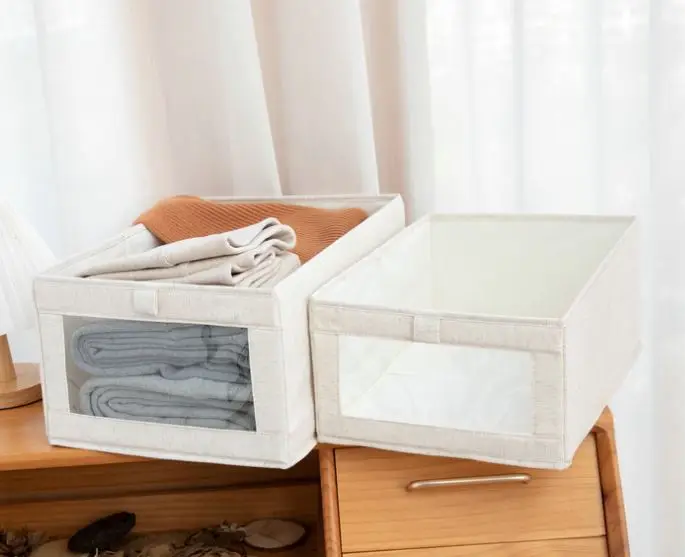
The durability of a premium fabric stool becomes a critical consideration when households seek furniture that withstands the rigors of daily use while maintaining its aesthetic appeal and functional integrity. Premium fabric stools represent an investment in both comfort and longevity, requiring careful evaluation of construction quality, material selection, and design engineering to ensure they meet the demands of frequent interaction from family members across different age groups and usage patterns.
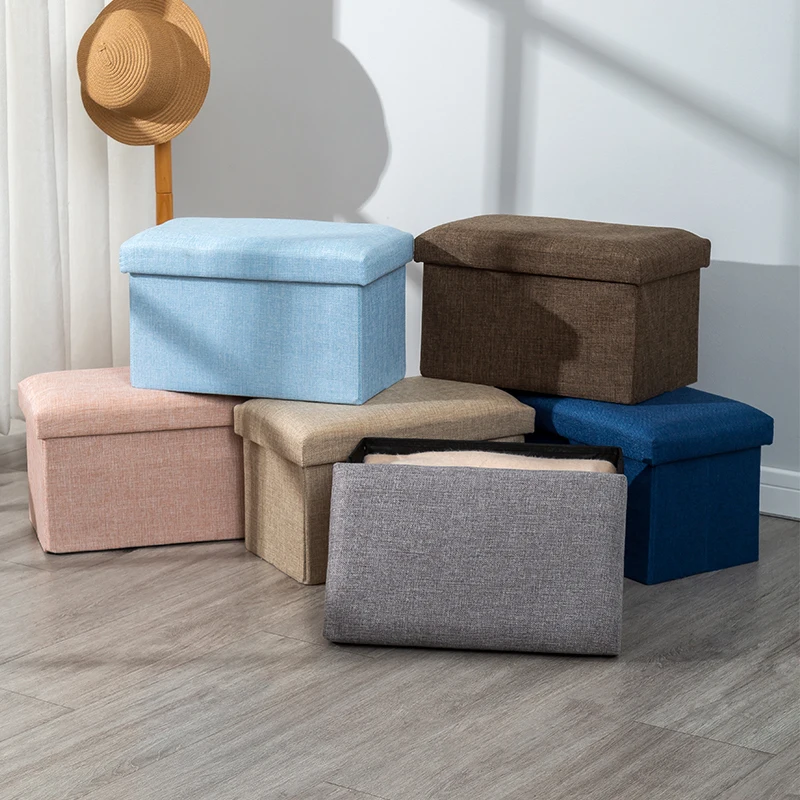
Understanding the durability characteristics of a fabric stool requires examining multiple factors that contribute to its long-term performance in household environments. The construction methodology, frame materials, fabric quality, and joint reinforcement techniques all play decisive roles in determining whether a fabric stool will maintain its structural integrity and visual appeal through years of regular use, making this analysis essential for informed purchasing decisions.
Construction Quality and Structural Engineering
Frame Material Selection and Strength
The foundation of any durable fabric stool lies in its internal frame construction, which determines the weight-bearing capacity and structural stability over extended periods of use. Premium fabric stools typically employ hardwood frames, engineered wood composites, or reinforced metal structures that provide superior strength compared to basic softwood or particleboard alternatives. The frame material directly influences how well the fabric stool maintains its shape and support characteristics when subjected to repeated sitting, standing, and movement activities.
Hardwood frames offer exceptional durability for fabric stool construction, with species like oak, maple, and birch providing natural resistance to warping, cracking, and joint loosening over time. The grain structure and density of hardwood materials ensure that stress distribution remains consistent throughout the frame, preventing weak points that could compromise the fabric stool's structural integrity during daily use cycles.
Metal frame construction in premium fabric stools often utilizes powder-coated steel or aluminum alloys that resist corrosion and maintain dimensional stability under varying humidity and temperature conditions. These metal frameworks provide excellent weight distribution and can accommodate dynamic loading patterns without experiencing the gradual degradation that affects some wood-based alternatives.
Joint Reinforcement and Assembly Techniques
The longevity of a fabric stool depends significantly on the quality of joint construction and the reinforcement methods employed at critical stress points. Premium models incorporate mortise and tenon joints, dowel reinforcements, corner blocks, and metal brackets that distribute mechanical stress across multiple contact surfaces rather than relying on single-point connections that may fail under repeated loading.
Advanced assembly techniques for durable fabric stools include the use of structural adhesives in combination with mechanical fasteners, creating hybrid connections that resist both tensile and shear forces. These reinforced joints maintain their integrity even when the fabric stool experiences lateral movement, tilting, or impact forces that commonly occur in active household environments.
The integration of metal corner braces and cross-supports within the frame structure provides additional rigidity that prevents the gradual loosening of connections over time. This reinforcement approach ensures that the fabric stool maintains its designed geometry and support characteristics throughout its service life, regardless of usage intensity.
Fabric Material Properties and Wear Resistance
Fiber Composition and Durability Characteristics
The fabric selection for a premium fabric stool directly determines its resistance to abrasion, fading, moisture absorption, and general wear patterns that develop through daily contact with clothing, skin, and environmental factors. High-performance fabrics incorporate synthetic fibers, natural fiber blends, or specialized weaving techniques that enhance durability while maintaining comfort and visual appeal over extended periods.
Polyester and nylon blend fabrics offer exceptional abrasion resistance for fabric stool applications, with fiber structures that maintain their integrity even under repeated friction and compression cycles. These synthetic materials resist pilling, fiber breakage, and color degradation that can affect the appearance and texture of the fabric stool surface over time.
Natural fiber blends incorporating cotton, linen, or wool provide breathability and comfort while benefiting from synthetic fiber reinforcement that improves overall durability. The combination approach allows the fabric stool to offer the tactile qualities of natural materials while achieving the performance characteristics necessary for long-term household use.
Surface Treatment and Protection Systems
Premium fabric stools often feature advanced surface treatments that enhance their resistance to staining, moisture penetration, and general soiling that occurs during regular use. These protective systems include nano-coatings, fabric guards, and chemical finishes that create barrier layers without compromising the natural feel and appearance of the fabric surface.
Stain-resistant treatments applied to fabric stool materials work by creating molecular-level barriers that prevent liquids and particulates from penetrating into the fiber structure. This protection allows spills and accidents to be cleaned more easily, reducing the likelihood of permanent staining or odor absorption that could affect the long-term usability of the fabric stool.
Anti-microbial treatments incorporated into fabric stool materials help prevent the growth of bacteria, mold, and mildew that can develop in humid conditions or when organic materials accumulate within the fabric structure. These treatments contribute to both hygiene and durability by preventing biological degradation processes that could weaken the fabric fibers over time.
Stress Distribution and Load Management
Weight Capacity and Safety Factors
The durability of a fabric stool in daily household use depends on its ability to safely support user weights while maintaining structural integrity under both static and dynamic loading conditions. Premium designs incorporate safety factors that allow the fabric stool to handle loads significantly higher than typical user weights, providing margin for unexpected stress situations and ensuring long-term reliability.
Proper stress distribution throughout the fabric stool structure prevents the concentration of forces at individual points that could lead to premature failure or deformation. The design geometry, support mechanisms, and material selection work together to ensure that user weight is distributed evenly across the frame structure and transmitted effectively to the floor contact points.
Dynamic loading considerations account for the additional stresses that occur when users sit down quickly, shift position, or use the fabric stool as a stepping surface. These impact forces can be significantly higher than static weight loads, requiring robust construction and appropriate safety margins to prevent structural damage during normal use patterns.
Wear Pattern Analysis and Design Optimization
Understanding typical wear patterns helps optimize fabric stool design for maximum durability in real-world usage scenarios. Common wear points include the front edge where users contact the seat surface, the center area that experiences the highest compression forces, and any exposed frame elements that may experience abrasion or impact during movement and storage.
Premium fabric stool designs incorporate reinforcement strategies at high-wear locations, using double-layer fabric construction, additional padding density, or protective trim elements that absorb wear forces before they reach the primary structural components. These design features extend the service life by preventing the initiation of wear processes at critical locations.
The integration of replaceable components allows fabric stools to maintain their functionality even when specific elements reach the end of their service life. Removable fabric covers, replaceable padding inserts, and modular construction approaches enable maintenance and refurbishment that can significantly extend the overall durability of the fabric stool system.
Environmental Factors and Maintenance Requirements
Climate Resistance and Stability
The durability of a fabric stool in household environments requires consideration of temperature variations, humidity changes, and exposure to sunlight that can affect both fabric and structural components over time. Premium designs account for these environmental factors through material selection and construction techniques that minimize dimensional changes and degradation processes.
Humidity resistance becomes particularly important for fabric stools used in bathrooms, kitchens, or other areas where moisture levels fluctuate regularly. The frame materials, adhesives, and fabric treatments must maintain their properties under varying moisture conditions to prevent warping, delamination, or biological growth that could compromise durability.
UV resistance protects fabric stool materials from photodegradation when positioned near windows or in rooms with significant natural light exposure. Advanced fabric treatments and frame finishes prevent color fading, fiber weakening, and material brittleness that can develop under prolonged UV exposure, maintaining both appearance and structural integrity.
Cleaning and Care Protocols
Proper maintenance protocols significantly impact the long-term durability of a fabric stool by preventing the accumulation of soil, moisture, and contaminants that can accelerate wear processes. Premium fabric stools are designed to accommodate standard cleaning procedures without compromising their structural or aesthetic properties.
Regular vacuum cleaning removes particulate matter that can act as an abrasive agent when embedded in fabric fibers, preventing the gradual wearing that occurs when dirt particles create friction during normal use. The fabric stool design should accommodate standard vacuum attachments and cleaning tools without risk of damage to surface treatments or structural elements.
Spot cleaning capabilities allow for immediate attention to spills and stains, preventing permanent discoloration or odor absorption that could affect the long-term usability of the fabric stool. The cleaning methods and products compatible with the fabric treatments and frame materials should be clearly specified to ensure proper maintenance without inadvertent damage.
Performance Testing and Quality Assurance
Industry Standards and Testing Protocols
Premium fabric stools undergo standardized testing procedures that evaluate their durability under controlled conditions designed to simulate years of typical household use. These tests include cyclic loading protocols, fabric abrasion testing, joint stress analysis, and environmental exposure simulations that provide quantitative data on expected service life and performance characteristics.
Furniture industry standards such as ANSI/BIFMA guidelines establish minimum performance requirements for seating furniture, including fabric stool designs. These standards address weight capacity, stability, durability, and safety factors that ensure the fabric stool meets professional quality expectations suitable for demanding household applications.
Independent testing laboratories conduct third-party evaluations that verify manufacturer claims regarding fabric stool durability and performance. These assessments provide objective data on materials, construction quality, and expected service life that help consumers make informed decisions about long-term value and suitability for their specific usage requirements.
Real-World Performance Validation
Field testing in actual household environments provides valuable data on fabric stool performance under real-world conditions that may not be fully captured by laboratory testing protocols. These studies track wear patterns, user satisfaction, maintenance requirements, and failure modes over extended periods to validate design assumptions and identify improvement opportunities.
User feedback collection systems help manufacturers understand how fabric stools perform across different household types, usage patterns, and environmental conditions. This information guides design refinements and quality improvements that enhance durability while addressing practical concerns identified by actual users during extended service periods.
Long-term performance tracking allows manufacturers to validate warranty terms and service life predictions based on actual field experience rather than theoretical calculations. This data supports continuous improvement efforts and helps establish realistic expectations for fabric stool durability in various household applications.
FAQ
How long should a premium fabric stool last with daily household use?
A well-constructed premium fabric stool should provide reliable service for 5-10 years under normal daily household use, with proper maintenance and care. The actual service life depends on usage intensity, user weight, environmental conditions, and maintenance consistency. Premium models with hardwood frames and high-quality fabrics typically exceed this range, while budget alternatives may show wear within 2-3 years under similar conditions.
What are the most common failure points in fabric stool construction?
The most common failure points in fabric stool construction include loose or broken frame joints, fabric wear at high-contact areas, and degradation of padding materials over time. Joint failures typically occur at corner connections where stress concentration is highest, while fabric wear usually develops at the front edge and center seating area. Premium designs address these vulnerabilities through reinforced construction and higher-grade materials.
Can fabric stool durability be improved through proper maintenance?
Regular maintenance significantly extends fabric stool durability by preventing the accumulation of contaminants and addressing minor issues before they become major problems. Weekly vacuuming, immediate stain treatment, periodic deep cleaning, and joint tightening when necessary can double the expected service life. Environmental control, such as avoiding direct sunlight and maintaining consistent humidity levels, also contributes to long-term durability.
What weight capacity should I expect from a durable fabric stool?
Premium fabric stools typically support 250-300 pounds safely for normal seating use, with higher-end models capable of 400+ pounds. The weight capacity depends on frame construction, joint reinforcement, and overall design geometry. For daily household use, selecting a fabric stool with capacity significantly above the intended user weight provides safety margin and contributes to long-term durability by reducing stress on structural components.