
 EN
EN
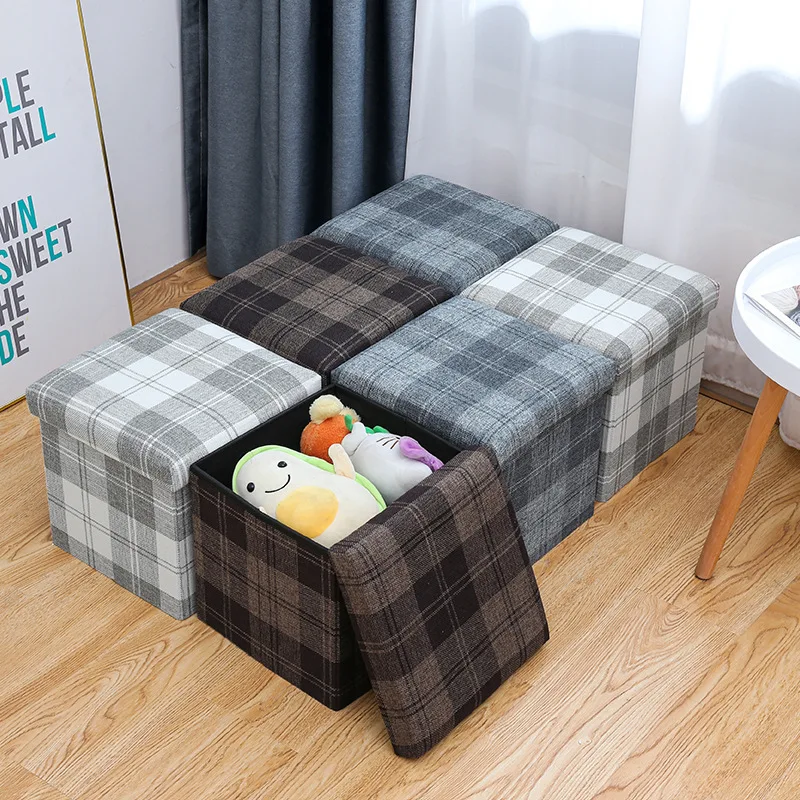
Managing seasonal gear presents a recurring challenge for households and businesses alike, with equipment, clothing, and accessories accumulating rapidly and demanding organized storage solutions that maximize space while maintaining accessibility. Among the diverse storage options available today, the storage folding box has emerged as the superior choice for seasonal organization, combining space efficiency, structural versatility, and practical functionality that addresses the unique demands of rotating seasonal items. This specialized storage solution transforms the way families and organizations approach the cyclical nature of seasonal gear management, eliminating clutter while preserving item condition throughout extended storage periods.
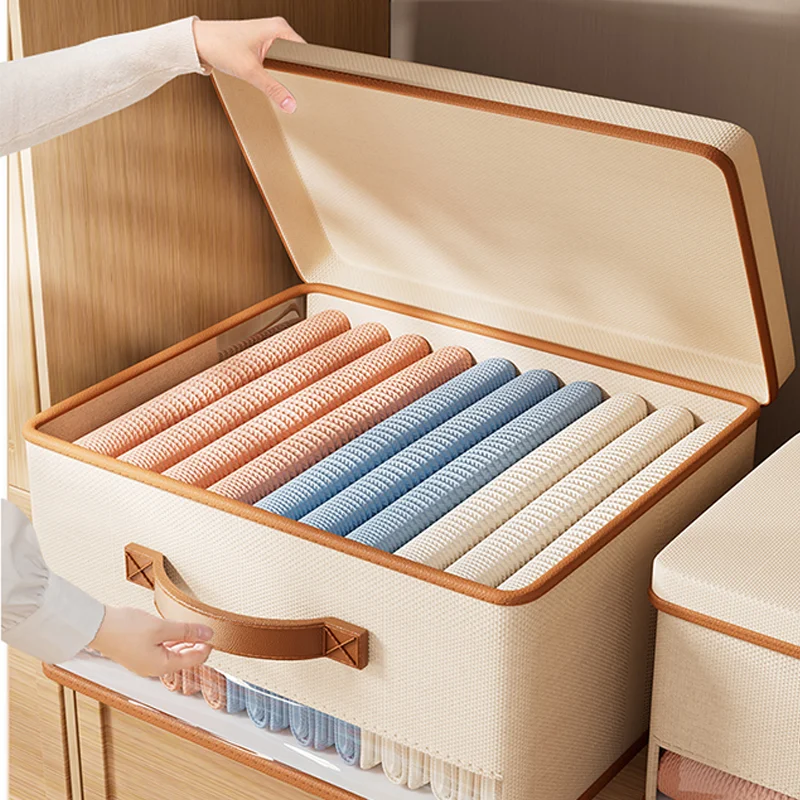
The efficiency advantage of a storage folding box stems from its fundamental design philosophy that prioritizes adaptability to fluctuating storage needs throughout the year. Unlike rigid storage containers that occupy constant space regardless of contents, collapsible storage folding box systems respond dynamically to actual usage patterns, expanding when seasonal transitions require full capacity and compressing to minimal footprint during periods when items remain in active use. This responsive characteristic directly addresses the primary inefficiency plaguing seasonal storage: wasted space during off-cycles when empty containers consume valuable real estate in closets, garages, and storage rooms. The economic and spatial implications become particularly significant in residential environments where square footage carries premium value, making every cubic foot of optimized storage a measurable advantage in household organization strategies.
The Space Optimization Advantage of Collapsible Storage Systems
Dimensional Flexibility During Seasonal Transitions
The core efficiency of a storage folding box manifests most dramatically during the biannual transitions between seasons when entire wardrobes, outdoor equipment sets, and recreational gear undergo systematic rotation. Traditional rigid containers force users to commit permanently to specific volumetric allocations, creating organizational friction when actual storage needs fluctuate between winter's bulky coats and summer's compact swimwear. A quality storage folding box eliminates this constraint through structural designs that permit full expansion to accommodate maximum seasonal loads while collapsing to less than fifteen percent of operational volume when emptied. This dimensional adaptability translates directly into practical storage efficiency, allowing a single set of containers to serve multiple seasonal cycles without requiring dedicated space allocation for each category of gear.
The mathematical advantage becomes clear when comparing storage footprints across annual cycles. A household managing four distinct seasonal gear categories using rigid containers must allocate permanent space for sixteen containers if maintaining four units per season, with twelve containers sitting empty at any given time. The same household utilizing storage folding box solutions can maintain identical organizational capacity with just four expandable units, collapsing the twelve inactive containers into storage space equivalent to a single rigid box. This represents a spatial efficiency improvement exceeding seventy-five percent, liberating valuable closet and garage space for active-use items rather than sacrificing it to empty container shells. The compounding effect across multiple years and storage locations establishes the storage folding box as the mathematically superior solution for cyclical organization challenges.
Vertical Storage Optimization in Constrained Spaces
Beyond horizontal footprint reduction, the storage folding box delivers exceptional efficiency through vertical space utilization strategies unavailable to rigid container systems. The collapsible nature permits strategic stacking configurations that adapt to available ceiling height, with empty boxes nesting into minimal vertical profiles that fit into overhead storage areas, attic spaces, and upper shelving zones typically underutilized due to access constraints. When seasonal rotation periods arrive, these same units expand into full-capacity containers that maximize cubic volume within standard closet heights, creating organized storage that reaches from floor to optimal accessibility level without wasting the dimensional envelope.
This vertical adaptability proves particularly valuable in modern residential construction where storage spaces feature non-standard dimensions that challenge conventional organization systems. A storage folding box with reinforced sidewalls and structured corners maintains stable stacking geometry even when fully loaded, enabling vertical columns that safely reach six to eight feet in height within garage or basement storage zones. The structural integrity during loaded conditions prevents the frustrating collapse issues that plague cheaper fabric storage solutions, while the collapsible capability ensures that even tall vertical stacks compress into manageable profiles during transportation or storage reorganization projects. The dual-state functionality transforms vertical space from a passive dimension into an actively optimized organizational resource.
Transportation Efficiency Between Storage Locations
Seasonal gear management frequently involves transportation between multiple storage locations, whether moving winter equipment to basement storage after spring arrives or transferring camping gear from garage to vehicle for recreational trips. The storage folding box demonstrates superior efficiency in these transitional moments through lightweight construction paired with robust carrying capacity. Quality non-woven fabric construction typical of premium storage folding box designs delivers container weights below three pounds while supporting loads exceeding forty pounds, creating favorable strength-to-weight ratios that reduce physical effort during reorganization activities. Integrated handles positioned for ergonomic lifting further enhance transportation efficiency, allowing single-person movement of fully loaded containers without requiring awkward grips or multiple trips.
The collapsible feature extends transportation advantages beyond merely moving loaded containers, fundamentally changing the logistics of returning empty units to storage positions. After unpacking winter gear for the season, the collapsed storage folding box units stack into compact bundles that fit easily into vehicle cargo areas, requiring just one trip to consolidate an entire season's worth of now-empty containers to remote storage facilities. This transportation efficiency becomes economically significant for households utilizing off-site storage units or managing seasonal vacation properties where organization systems must move between locations multiple times annually. The cumulative time savings and reduced physical strain establish clear efficiency advantages over rigid container alternatives that demand constant volumetric commitment regardless of actual contents.
Material Engineering for Long-Term Seasonal Storage Performance
Breathable Fabric Construction Preventing Moisture Damage
The material selection inherent in quality storage folding box designs directly addresses the primary threat facing seasonal gear during extended storage periods: moisture accumulation leading to mildew, odor development, and material degradation. Premium non-woven fabric construction creates semi-permeable sidewalls that permit controlled air circulation while blocking dust infiltration, establishing an optimal microenvironment for textile storage. This breathability factor proves essential for seasonal clothing storage, where natural fibers require some air exchange to prevent the musty odors that develop when garments remain sealed in airtight containers for months. The storage folding box architecture naturally facilitates this circulation without requiring ventilation holes that would compromise dust protection, creating an inherent material advantage over plastic bins that trap moisture and promote bacterial growth.
The moisture management capabilities extend beyond passive breathability to include superior moisture buffering characteristics inherent in fabric-based storage systems. When environmental humidity fluctuates seasonally, the fabric walls of a storage folding box absorb and release moisture gradually, preventing the condensation cycles that plague plastic containers in unheated storage spaces. This buffering action protects sensitive materials like leather boots, wool garments, and technical outdoor fabrics from the humidity spikes that accelerate deterioration during storage. Field testing across multiple climate zones demonstrates that seasonal gear stored in breathable storage folding box containers exhibits significantly less moisture-related damage compared to identical items stored in sealed plastic alternatives, validating the material engineering efficiency for long-term preservation applications.
Structural Reinforcement for Heavy Seasonal Equipment
While fabric construction offers breathability advantages, the efficiency of a storage folding box for seasonal gear depends equally on structural reinforcement that prevents collapse under the weight of heavy equipment. Advanced storage folding box designs incorporate rigid panels within fabric sidewalls, creating composite structures that combine fabric benefits with the load-bearing capacity of rigid containers. These reinforcement systems typically utilize high-density cardboard or plastic inserts positioned within double-layer fabric walls, resulting in containers that maintain rectangular geometry even when storing dense items like winter boots, sports equipment, or automotive accessories. The engineering balance preserves collapsibility while ensuring that stacked storage folding box columns remain stable and accessible throughout storage periods.
The reinforced base construction deserves particular attention in seasonal gear applications where individual items may concentrate significant weight in small footprints. Quality storage folding box units feature double-thickness base panels or integrated plastic base sheets that distribute load forces across the entire bottom surface, preventing the sagging failure mode common in unreinforced fabric containers. This base integrity proves essential when storing items like ski boots, hockey equipment, or tool collections where point loads could otherwise compromise container geometry and damage stored contents through compression. The structural engineering transforms the storage folding box from a simple fabric envelope into a legitimate load-bearing storage system capable of protecting valuable seasonal gear throughout extended storage cycles.
UV Resistance and Color Retention for Aesthetic Longevity
The long-term efficiency of any storage system includes aesthetic considerations, particularly for containers that remain visible in organized closet systems or garage storage walls throughout their service life. Premium storage folding box products incorporate UV-resistant fabric treatments and colorfast dyes that maintain appearance despite years of exposure to sunlight from windows or fluorescent lighting in storage spaces. This durability factor prevents the fading and fabric degradation that causes cheaper storage solutions to develop worn appearances within single seasons, forcing replacement cycles that undermine both economic and environmental efficiency. A storage folding box engineered for longevity maintains its professional appearance through five to seven years of regular seasonal use, amortizing the initial investment across dozens of seasonal transitions.
The aesthetic longevity extends to functional elements including zippers, transparent window panels, and label holders that enable efficient identification of stored contents. Quality storage folding box designs utilize corrosion-resistant metal zippers with reinforced fabric surrounds that prevent the separation failures common in lightweight storage products, ensuring that containers remain fully functional throughout their design life. Clear vinyl window panels resist yellowing and cracking even when exposed to temperature fluctuations in unconditioned storage spaces, maintaining visibility that eliminates the need to open multiple containers when locating specific seasonal items. These durability engineering elements compound to deliver storage folding box solutions that maintain both functional and aesthetic efficiency across the multi-year service cycles typical of residential organization investments.
Organizational Features Enabling Efficient Seasonal Rotation
Visual Identification Systems Reducing Search Time
The operational efficiency of seasonal gear management depends heavily on rapid identification of specific items when transition periods arrive, making visual organization features critical components of effective storage folding box systems. Integrated transparent window panels positioned on front-facing surfaces allow instant content verification without opening containers, eliminating the frustrating search sequences that waste time during busy seasonal transitions. This visual access proves particularly valuable when managing large collections of seasonal gear distributed across multiple storage folding box units, where the ability to identify contents from several feet away dramatically reduces the physical effort required to locate specific items. The transparency feature transforms the storage folding box from an opaque container into a semi-visible inventory system that maintains organization efficiency throughout storage periods.
Beyond transparent windows, advanced storage folding box designs incorporate dedicated label holder systems that accept both handwritten tags and printed identification labels. These label systems typically feature clear plastic pockets or clip mechanisms positioned at consistent locations on each container, creating visual uniformity that accelerates pattern recognition when scanning storage arrays. The standardized labeling positions enable users to develop efficient visual search strategies, knowing that identification information always appears in predictable locations regardless of how containers are stacked or positioned. This organizational consistency compounds efficiency gains across large storage systems, reducing seasonal gear retrieval times by thirty to fifty percent compared to unlabeled or inconsistently marked storage solutions.
Size Standardization for Modular Storage Arrays
The storage folding box achieves superior organizational efficiency through dimensional standardization that enables modular array construction within available storage spaces. Quality product lines offer storage folding box options in coordinated size families where dimensions align to common ratios, allowing two smaller units to occupy the identical footprint as one larger container. This modular sizing approach permits users to optimize storage configurations based on actual gear characteristics rather than forcing seasonal items into mismatched container dimensions that waste space or damage contents through compression. A standardized storage folding box system might include units in coordinated dimensions of forty-five by thirty-five centimeters, sixty by forty centimeters, and ninety by forty centimeters, with each size category designed to stack efficiently with others in the family.
The modular efficiency extends to vertical stacking where standardized heights ensure that mixed-size storage folding box arrays maintain level top surfaces suitable for additional storage layers or as functional shelf surfaces. This dimensional coordination proves essential in garage and basement storage applications where vertical space utilization directly impacts overall storage capacity. Users can construct custom storage walls by combining various storage folding box sizes according to specific gear requirements, creating organized arrays that maximize cubic volume utilization while maintaining accessibility to all containers. The systematic approach transforms random storage accumulation into engineered organization systems that adapt efficiently to changing seasonal gear inventories over time.
Integrated Compartmentalization for Category Separation
Advanced storage folding box designs incorporate internal divider systems that enable category separation within individual containers, multiplying organizational efficiency by allowing single units to manage multiple gear types simultaneously. Removable fabric dividers or fold-down partition panels create customizable internal compartments that prevent item mixing during storage and transportation, maintaining the sorted state established during packing processes. This internal organization proves particularly valuable for seasonal gear categories that include multiple components requiring separation, such as winter sports equipment where gloves, goggles, and accessories benefit from dedicated compartments within the primary storage folding box containing larger items like jackets or pants.
The compartmentalization capability extends efficiency benefits beyond merely keeping items separate to include protection of delicate components from damage by heavier gear sharing the same container. Internal dividers distribute compression forces and prevent the shifting that occurs during transportation or storage reorganization, ensuring that fragile seasonal items like decorative accessories or electronic components remain protected throughout storage cycles. The storage folding box with integrated compartmentalization effectively functions as multiple specialized containers within a single footprint, delivering organizational granularity without sacrificing the space efficiency that makes collapsible storage systems superior to rigid alternatives. This multi-functional capacity represents a force multiplier for seasonal organization strategies, reducing the total number of containers required while improving the sorted state of stored gear.
Economic and Environmental Efficiency Considerations
Lifecycle Cost Analysis Versus Rigid Container Alternatives
The true efficiency of a storage folding box becomes apparent through comprehensive lifecycle cost analysis that accounts for initial investment, replacement frequency, and operational costs across multi-year service periods. While premium storage folding box units may command higher initial prices than basic plastic bins, the extended service life typical of quality fabric construction delivers superior value when amortized across five to seven years of regular seasonal use. The collapsible feature prevents the physical damage that rigid containers suffer during storage and handling, eliminating the cracking, hinge failures, and lid damage that forces plastic bin replacement within two to three years. When factoring replacement cycles into total cost of ownership, the storage folding box demonstrates twenty to thirty percent lower lifecycle costs despite higher entry prices, establishing clear economic efficiency for long-term organization investments.
The economic analysis extends beyond replacement costs to include space-related savings that accrue from collapsible storage capabilities. Households that avoid renting external storage units by maximizing internal space efficiency through storage folding box systems realize annual savings exceeding two hundred dollars in typical storage rental markets, with these savings compounding across multiple years of optimized internal storage. The collapsible nature directly enables this space efficiency by reducing the volumetric commitment required for comprehensive seasonal organization, making internal storage solutions viable where rigid container accumulation would exceed available space and force expensive external storage arrangements. The storage folding box thus delivers economic efficiency through both direct cost reduction and indirect space optimization that eliminates recurring rental expenses.
Environmental Impact Through Reduced Material Consumption
The environmental efficiency profile of storage folding box systems reflects both material selection and product longevity factors that reduce ecological impact across product lifecycles. Non-woven fabric construction typical of quality storage folding box designs utilizes polypropylene fibers that require less energy to manufacture compared to the injection-molded plastics used in rigid containers, reducing embedded carbon in initial production. The lighter weight of fabric storage folding box units further decreases transportation energy consumption throughout distribution chains, with shipping efficiency improvements of forty to fifty percent compared to equivalent-capacity plastic bins. These manufacturing and distribution advantages establish the storage folding box as the environmentally preferable choice even before accounting for use-phase benefits.
The extended service life characteristic of premium storage folding box products compounds environmental advantages by reducing replacement frequency and the associated waste streams. A storage folding box serving five to seven years before replacement prevents the disposal of two to three equivalent plastic containers that would fail during the same period, reducing landfill contributions and the environmental burden of manufacturing replacement units. The collapsible design also facilitates end-of-life recycling by simplifying material separation and reducing transportation volumes when products finally reach disposal, creating circular economy advantages throughout the product lifecycle. When environmental factors receive appropriate consideration in efficiency analysis, the storage folding box demonstrates clear sustainability advantages that align with contemporary preferences for reduced material consumption and extended product longevity.
Space Efficiency Impact on Housing Economics
The broader economic efficiency of storage folding box systems includes their influence on residential space utilization and housing cost optimization. In real estate markets where square footage commands premium valuations, every cubic foot liberated from storage clutter represents quantifiable economic value through either reduced housing costs or improved functional space allocation. A household achieving fifteen percent storage space reduction through storage folding box optimization effectively reclaims usable area equivalent to a small closet or storage room, translating to hundreds or thousands of dollars in annualized housing value depending on local real estate economics. This spatial efficiency becomes particularly significant in urban markets where housing costs per square foot exceed two hundred dollars annually, making storage optimization a legitimate financial planning consideration.
The housing economics extend to property value considerations where well-organized storage systems contribute to positive buyer perceptions during real estate transactions. Homes featuring efficient storage folding box organization systems present as better maintained and more functional compared to properties with cluttered, disorganized storage areas filled with rigid container accumulation. This perception advantage can influence buyer decisions and support premium pricing in competitive real estate markets, creating tangible economic returns from storage system investments. The storage folding box thus delivers efficiency dividends that extend beyond operational convenience to encompass broader financial optimization through improved space utilization and property value protection.
FAQ
How does a storage folding box maintain structural integrity when fully loaded with heavy seasonal gear?
Quality storage folding box designs incorporate rigid reinforcement panels within fabric sidewalls, typically using high-density cardboard or plastic inserts that maintain rectangular geometry under load. The base features double-thickness construction or integrated plastic sheets that distribute weight forces evenly across the bottom surface, preventing sagging and protecting stored contents. These reinforcement systems preserve collapsibility while delivering load-bearing capacity comparable to rigid containers, with premium units supporting forty to fifty pounds without structural compromise. The engineering balance allows the storage folding box to function as a legitimate structural container during use while maintaining the collapsible advantage during storage periods.
Can storage folding box systems protect sensitive seasonal items from moisture and dust during long-term storage?
The semi-permeable fabric construction of a storage folding box creates an optimal storage microenvironment that balances dust protection with controlled air circulation essential for textile preservation. The non-woven fabric blocks particulate infiltration while permitting moisture vapor exchange that prevents the condensation and mildew issues common in sealed plastic containers. This breathability proves particularly important for natural fiber clothing and leather goods requiring some air movement during extended storage. Premium storage folding box units often incorporate zippered closures with overlapping fabric seals that enhance dust protection while maintaining breathability, delivering superior long-term preservation compared to completely sealed or completely open storage alternatives.
What size storage folding box works best for typical household seasonal gear organization?
Optimal storage folding box sizing depends on specific gear characteristics, but medium to large units in the fifty to seventy liter capacity range deliver the most versatile performance for household seasonal storage applications. These dimensions accommodate bulky items like winter coats and boots while remaining manageable for single-person handling when fully loaded. A comprehensive seasonal storage system typically combines several sizes within a coordinated product family, using larger storage folding box units for primary clothing categories and smaller containers for accessories and specialty items. The modular sizing approach allows customization based on actual gear inventories while maintaining the dimensional standardization necessary for efficient space utilization and organizational consistency across storage locations.
How many years of service should I expect from a quality storage folding box used for seasonal gear rotation?
Premium storage folding box products engineered with reinforced construction, UV-resistant fabrics, and quality closure systems typically deliver five to seven years of regular seasonal use before requiring replacement. This service life assumes biannual packing and unpacking cycles with appropriate handling and storage practices during both loaded and collapsed states. The longevity depends significantly on construction quality, with budget options often failing within two to three years due to fabric degradation, zipper failures, or reinforcement breakdown. Investing in higher-quality storage folding box units delivers superior lifecycle value through extended service periods that reduce replacement frequency and lower total cost of ownership compared to frequent replacement of cheaper alternatives that fail prematurely under normal seasonal storage demands.
Table of Contents
- The Space Optimization Advantage of Collapsible Storage Systems
- Material Engineering for Long-Term Seasonal Storage Performance
- Organizational Features Enabling Efficient Seasonal Rotation
- Economic and Environmental Efficiency Considerations
-
FAQ
- How does a storage folding box maintain structural integrity when fully loaded with heavy seasonal gear?
- Can storage folding box systems protect sensitive seasonal items from moisture and dust during long-term storage?
- What size storage folding box works best for typical household seasonal gear organization?
- How many years of service should I expect from a quality storage folding box used for seasonal gear rotation?