
 EN
EN
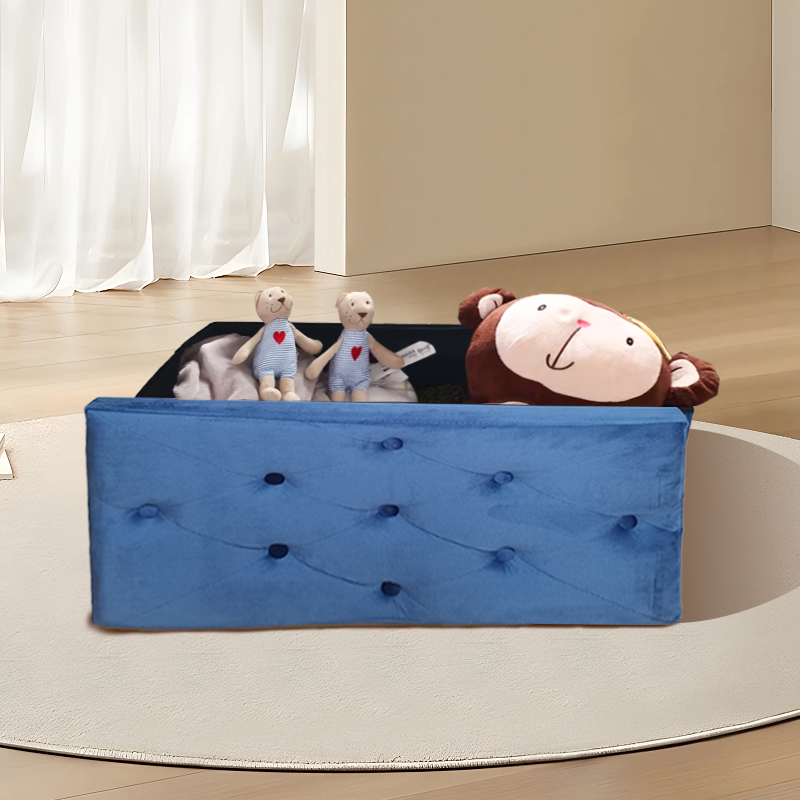
Modern urban living has redefined how we approach interior design, particularly in compact apartments where every square foot counts. The challenge of creating functional yet aesthetically pleasing spaces has led to the rise of multi-purpose furniture solutions that maximize utility without compromising style. Among these innovative pieces, the fabric stool stands out as a remarkably versatile addition that addresses multiple needs within the constraints of small-space living.
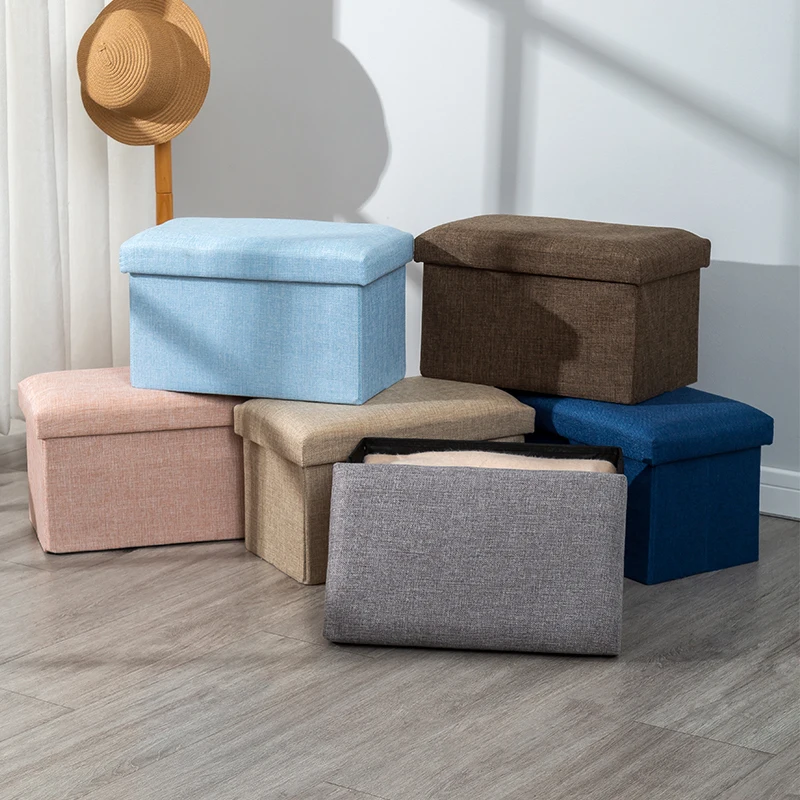
The fabric stool represents a perfect marriage of form and function, offering urban dwellers a solution that transcends traditional furniture categories. Unlike rigid seating options, this adaptable piece seamlessly transitions between roles throughout the day, providing seating, storage, and surface area as needed. Its soft upholstery and compact footprint make it particularly suited for the dynamic lifestyle requirements of city apartment living, where flexibility and space efficiency are paramount considerations.
Multi-Functional Design Benefits in Small Spaces
Space-Saving Seating Solutions
The fabric stool excels as an emergency seating option when guests arrive unexpectedly, a common occurrence in urban social settings. Its lightweight construction allows residents to easily move it from room to room, providing additional seating in the living area during gatherings, then relocating it to serve as a vanity seat in the bedroom or a comfortable perch while putting on shoes near the entryway. This mobility eliminates the need for dedicated seating in every room, significantly reducing furniture footprint.
The soft fabric construction of these stools provides superior comfort compared to hard surfaces, making them ideal for extended use during activities like reading, gaming, or working on laptops. Unlike traditional wooden or metal stools, the padded surface reduces pressure points and allows for comfortable sitting positions that adapt to various postures. This comfort factor becomes particularly important in compact apartments where residents may need to use the same piece for different activities throughout the day.
Hidden Storage Capabilities
Many fabric stool designs incorporate internal storage compartments, transforming them into discrete organizational solutions for urban apartments. These hidden chambers can accommodate seasonal clothing, extra bedding, electronic accessories, or personal items that would otherwise clutter visible surfaces. The storage capacity effectively doubles the utility of the floor space the stool occupies, making it an invaluable asset in space-constrained environments.
The accessibility of storage within a fabric stool surpasses that of traditional storage furniture, as items remain within easy reach while maintaining the living space's clean aesthetic. This immediate access proves particularly valuable for frequently used items like throw blankets, gaming controllers, or craft supplies that need to be quickly retrieved and stored. The concealed nature of this storage also helps maintain the minimalist appearance that many urban dwellers prefer in their compact living spaces.
Adaptability Across Different Room Functions
Living Room Versatility
In the living room, a fabric stool serves as supplementary seating that doesn't visually overwhelm the space like traditional chairs or sofas. Its low profile allows it to tuck neatly under tables or beside furniture when not in use, maintaining clear sightlines and traffic flow patterns essential in small apartments. During movie nights or social gatherings, multiple fabric stools can be arranged to accommodate varying group sizes without permanently committing valuable floor space to bulky seating arrangements.
The fabric stool also functions as an impromptu coffee table or side table when topped with a tray, providing surface area for beverages, snacks, or decorative items. This dual functionality eliminates the need for separate occasional tables, which can make small living areas feel cramped and cluttered. The soft surface also makes it safe for use around children, reducing injury risks associated with sharp furniture corners common in compact spaces.
Bedroom and Workspace Integration
Within bedroom settings, the fabric stool transitions seamlessly between multiple roles throughout daily routines. It serves as a convenient seat for dressing, a temporary surface for laying out clothes, or additional seating when the bedroom doubles as a workspace or relaxation area. The soft fabric construction prevents damage to delicate garments, making it superior to hard surfaces for clothing-related tasks.
For urban professionals who work from home, the fabric stool provides ergonomic benefits when used as a footrest or alternative seating position during long work sessions. The ability to change seating positions throughout the day helps reduce physical strain and mental fatigue associated with extended desk work. Its portability allows workers to easily create informal meeting areas or reading nooks by repositioning the stool as needed for video calls or focused work sessions.
Style Integration and Aesthetic Flexibility
Color and Pattern Coordination
The fabric stool offers unparalleled flexibility in coordinating with existing apartment decor themes and color schemes. Available in numerous fabric options, these pieces can either blend seamlessly with current furnishings or serve as accent pieces that introduce new colors or textures to the space. This adaptability allows residents to update their apartment's appearance without major furniture investments, simply by changing or recovering the stool's fabric covering.
The textile nature of the fabric stool enables seasonal decorating updates that keep compact apartments feeling fresh and personalized. Lighter fabrics can brighten spaces during darker winter months, while richer textures and colors can add warmth and coziness during colder seasons. This seasonal flexibility proves particularly valuable in urban apartments where residents may spend significant amounts of time indoors and need their environment to feel dynamic and engaging.
Scale and Proportion Benefits
The compact dimensions of most fabric stools make them ideal for maintaining proper scale relationships in small apartments where oversized furniture can overwhelm the space. Their low profile preserves vertical visual space, making ceilings appear higher and rooms feel more spacious. This proportional harmony contributes to a sense of openness that combats the claustrophobic feeling common in densely populated urban housing.
Unlike bulky upholstered furniture, the fabric stool maintains its visual lightness even in darker colors or heavier fabrics. This visual transparency allows light to flow around the piece, preserving the bright, airy atmosphere essential for comfortable urban living. The rounded or softly squared edges typical of fabric stool designs also contribute to a more organic, less institutional feeling in compact apartments where hard lines and angular furniture can feel harsh or unwelcoming.
Practical Maintenance and Durability Considerations
Cleaning and Care Requirements
The maintenance requirements of a fabric stool align well with the busy lifestyles of urban apartment dwellers who need furniture solutions that don't demand extensive upkeep. Most quality fabric stools feature removable covers that can be machine washed or spot cleaned, making them more hygienic and practical than permanently upholstered furniture. This washability proves particularly valuable in city environments where dust, pollution, and frequent use can quickly soil furniture surfaces.
The ability to refresh the appearance of a fabric stool through cleaning or cover replacement extends its useful life significantly compared to furniture with fixed upholstery. Urban residents can maintain a fresh, clean living environment without the expense of professional furniture cleaning or premature replacement. This practical advantage makes the fabric stool a sustainable choice for apartment living where longevity and adaptability are crucial considerations.
Construction Quality and Longevity
Modern fabric stool construction incorporates durable internal frameworks designed to withstand daily use while maintaining their shape and support capabilities. High-quality models feature reinforced joints and premium cushioning materials that resist compression and wear, ensuring consistent comfort and appearance over time. This durability proves essential in urban apartments where furniture receives intensive use due to limited alternatives and smaller living spaces.
The construction methods used in quality fabric stools often incorporate modular design principles that allow for component replacement or repair rather than complete replacement. This repairability aligns with sustainable living practices increasingly important to urban dwellers who are conscious of their environmental impact. The ability to refresh worn components while maintaining the overall piece reduces waste and provides long-term value in the investment.
FAQ
What weight capacity should I look for in a fabric stool for apartment use?
Most quality fabric stools designed for regular use should support between 200-300 pounds, which accommodates most adult users safely. For apartment settings where the stool may serve multiple functions including temporary table use, choosing models with higher weight ratings ensures durability and safety across various applications. Always check manufacturer specifications and choose stools with certified weight ratings that meet your specific usage requirements.
How do I choose the right size fabric stool for my compact apartment?
Select a fabric stool that measures approximately 15-18 inches in height to ensure versatility as seating and surface area, with a footprint that doesn't exceed 16 inches square for optimal space efficiency. Consider your apartment's primary furniture heights to ensure the stool coordinates well as additional seating or side table functionality. Measure your storage areas and traffic patterns to confirm the chosen size won't impede movement or create crowding in your limited space.
Can fabric stools effectively replace traditional seating in small apartments?
While fabric stools provide excellent supplementary seating, they work best as part of a mixed seating strategy rather than complete replacements for traditional chairs or sofas. They excel for temporary seating, casual dining, and multi-purpose use, but may not provide sufficient back support for extended sitting periods. Combining fabric stools with one primary comfortable seating piece creates a flexible arrangement that maximizes space while ensuring comfort for daily activities.
What fabric types work best for urban apartment fabric stools?
Durable, easy-care fabrics like microfiber, treated cotton blends, or synthetic materials resist stains and wear while maintaining their appearance in high-use urban environments. Avoid delicate fabrics like silk or linen that require professional cleaning, and choose colors and patterns that camouflage minor soiling between cleanings. Performance fabrics designed for upholstery provide the best balance of durability, comfort, and maintenance ease for apartment living where furniture receives frequent use.