
 EN
EN
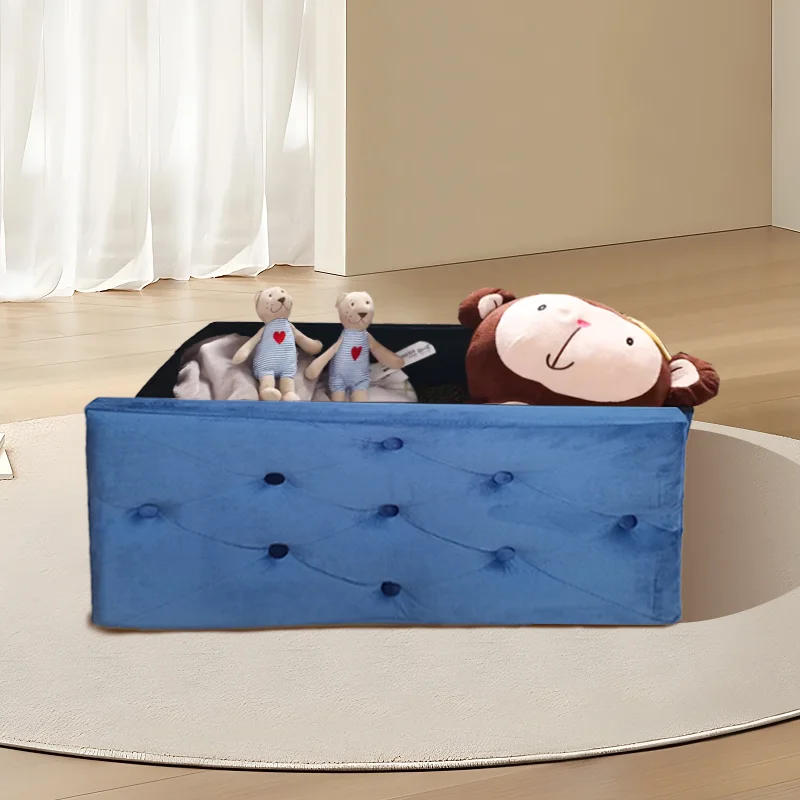
Choosing the right storage footstool to complement your sofa set requires careful consideration of multiple factors including dimensions, materials, color coordination, and functional requirements. A well-selected storage footstool serves as both a practical storage solution and an essential design element that enhances the overall aesthetic harmony of your living space. The process involves evaluating your existing furniture's style, measuring available space, and understanding how different materials and colors interact with your sofa's fabric and frame.
The selection process becomes more straightforward when you understand the fundamental principles of furniture coordination and space planning. Modern interior design emphasizes the importance of creating cohesive furniture arrangements where each piece supports the others both functionally and visually. Your storage footstool should seamlessly integrate with your sofa set while providing the specific storage capacity and accessibility features that meet your household needs.
Understanding Size and Proportion Guidelines
Measuring Your Sofa Dimensions
Begin by accurately measuring your sofa's height, width, and depth to establish the appropriate size range for your storage footstool. The ideal footstool height typically ranges from 14 to 18 inches, which allows comfortable leg extension while seated on most standard sofas. Measure from the floor to the top of your sofa cushions to determine the optimal height that will provide ergonomic comfort for all users.
Consider the sofa's overall proportions when selecting footstool dimensions. A large sectional sofa can accommodate a longer rectangular storage footstool, while a compact loveseat pairs better with a smaller square or round option. The storage footstool should occupy approximately one-third to one-half the length of your sofa to maintain visual balance without overwhelming the seating area.
Space Planning Considerations
Evaluate the available floor space around your sofa to determine the maximum footstool dimensions that won't impede traffic flow. Allow at least 18 inches of walkway space around the furniture arrangement to ensure comfortable movement through the room. Consider how the storage footstool will be used - whether it will remain stationary or be moved frequently for access to storage compartments.
Account for the storage footstool's placement in relation to coffee tables, side tables, and other furniture pieces. The footstool should complement rather than compete with existing furniture for space and attention. Measure the distance between your sofa and any opposing furniture to ensure the storage footstool fits comfortably within the designated area while maintaining proper spacing for functionality.
Material and Fabric Coordination Strategies
Matching Upholstery Textures
Analyze your sofa's upholstery material to determine whether your storage footstool should feature matching, complementary, or contrasting fabric textures. Leather sofas pair excellently with both leather and fabric storage footstools, while fabric sofas offer more flexibility in material selection. Consider the durability requirements for your storage footstool, especially if it will receive heavy use or serve multiple family members.
Examine the weave pattern, pile height, and surface texture of your sofa fabric to guide your storage footstool selection. Smooth leather or microfiber sofas can accommodate textured storage footstool fabrics like corduroy, velvet, or woven materials for added visual interest. Conversely, highly textured sofa fabrics often work best with smoother storage footstool surfaces to prevent visual competition.
Considering Maintenance Requirements
Evaluate the cleaning and maintenance needs of different storage footstool materials in relation to your lifestyle and household composition. Families with children or pets may benefit from performance fabrics that resist stains and moisture, while formal living spaces can accommodate more delicate materials. Consider how frequently you'll access the storage compartments and choose materials that can withstand regular handling.
Research the specific care instructions for potential storage footstool materials and compare them with your existing sofa maintenance routine. Selecting similar care requirements for both pieces simplifies your furniture maintenance schedule and helps ensure consistent appearance over time. Some storage footstool materials may require professional cleaning while others can be maintained with household products.
Color Harmony and Design Integration
Applying Color Theory Principles
Use established color theory principles to select a storage footstool color that creates the desired visual impact with your sofa set. Monochromatic schemes using different shades of the same color family create sophisticated, cohesive looks that work well in formal settings. Analogous color combinations using neighboring colors on the color wheel provide subtle contrast while maintaining harmony.
Consider complementary colors for storage footstools when you want to create visual interest and dynamic contrast with your sofa. Neutral-colored sofas provide the most flexibility for storage footstool color selection, allowing you to introduce accent colors that reflect seasonal preferences or design trends. Bold storage footstool colors can serve as focal points in rooms with neutral sofa sets.
Balancing Patterns and Solids
Determine the appropriate pattern treatment for your storage footstool based on your sofa's design characteristics. Solid-colored sofas can accommodate patterned storage footstools that introduce visual texture and interest to the seating area. Patterned sofas typically pair best with solid-colored storage footstools that don't compete for visual attention.
When combining patterns, ensure they share common color elements to maintain cohesion between your sofa and storage footstool. Scale variation in patterns can create dynamic combinations - pair large-scale sofa patterns with smaller storage footstool patterns or vice versa. Consider the room's overall pattern density to avoid creating overwhelming visual complexity.
Functional Features and Storage Capacity
Assessing Storage Needs
Identify the specific items you plan to store in your storage footstool to determine the required internal dimensions and organization features. Common storage items include blankets, pillows, magazines, remote controls, games, and seasonal decorations. Measure your intended storage items to ensure they'll fit comfortably within the storage footstool's compartment dimensions.
Consider whether you need divided compartments, removable organizers, or open storage space within your storage footstool. Some storage footstools feature multiple compartments that help organize different item types, while others provide single large spaces for bulky items like comforters or sleeping bags. Evaluate how frequently you'll access stored items to determine the importance of easy-opening mechanisms.
Evaluating Construction Quality
Examine the construction methods and hardware quality used in potential storage footstool options to ensure they can withstand regular use and weight loads. Look for reinforced corners, quality hinges, and sturdy internal support structures that will maintain functionality over time. Consider the weight capacity specifications, especially if the storage footstool will serve as additional seating for guests.
Assess the durability of storage footstool mechanisms such as lift tops, drawers, or removable lids. Test the smoothness of operation and check for features like soft-close hinges that prevent slamming and extend hardware life. Quality storage footstools feature reinforced stress points and premium hardware that maintains smooth operation despite frequent use.
Style Compatibility and Design Trends
Identifying Your Sofa's Design Style
Categorize your sofa's design style to guide appropriate storage footstool selection from compatible style families. Traditional sofas with rolled arms and classic proportions pair well with storage footstools featuring similar traditional details like nailhead trim, tufted tops, or carved legs. Contemporary sofas with clean lines and minimal details work best with streamlined storage footstools that echo their modern aesthetic.
Mid-century modern sofas benefit from storage footstools with period-appropriate features like tapered legs, geometric shapes, and vintage-inspired colors. Industrial-style sofas can accommodate storage footstools with metal accents, distressed finishes, or utilitarian design elements that reinforce the urban aesthetic. Transitional sofas offer flexibility to work with storage footstools from multiple style categories.
Incorporating Current Design Elements
Research current interior design trends to identify storage footstool features that will keep your furniture arrangement feeling fresh and contemporary. Popular trends include mixed materials combining wood and metal, curved organic shapes, and sustainable eco-friendly materials. Consider how trend-forward elements can be incorporated without compromising the timeless appeal of your overall design scheme.
Balance trendy storage footstool features with classic elements to create arrangements that remain stylish beyond current fashion cycles. Neutral base colors with trendy accent details allow easy updates through accessories while maintaining furniture investment value. Consider the longevity of specific trends when selecting storage footstool features that represent significant style commitments.
FAQ
What is the ideal height for a storage footstool relative to my sofa?
The ideal storage footstool height should be 1-4 inches lower than your sofa seat height, typically ranging between 14-18 inches from the floor. This height difference ensures comfortable leg positioning while seated and prevents strain on your knees and ankles during extended use.
Can I use a storage footstool with a sectional sofa arrangement?
Yes, storage footstools work excellently with sectional sofas, particularly when positioned in the center of the sectional arrangement or at the open end. Choose a size that complements the sectional's scale - larger sectionals can accommodate longer rectangular storage footstools or multiple smaller units for flexibility.
How do I determine if a storage footstool's weight capacity is sufficient?
Check the manufacturer's specified weight capacity and ensure it exceeds your intended use by at least 50 pounds for safety. Consider both the weight of stored items and potential use as additional seating. Quality storage footstools typically support 200-400 pounds when properly constructed with reinforced frames.
Should my storage footstool match my sofa exactly or can it be different?
Your storage footstool doesn't need to match your sofa exactly and can effectively complement it through coordinating colors, similar textures, or contrasting elements that enhance the overall design. The key is maintaining visual harmony through shared design elements like color families, material types, or stylistic details rather than exact matching.