
 EN
EN
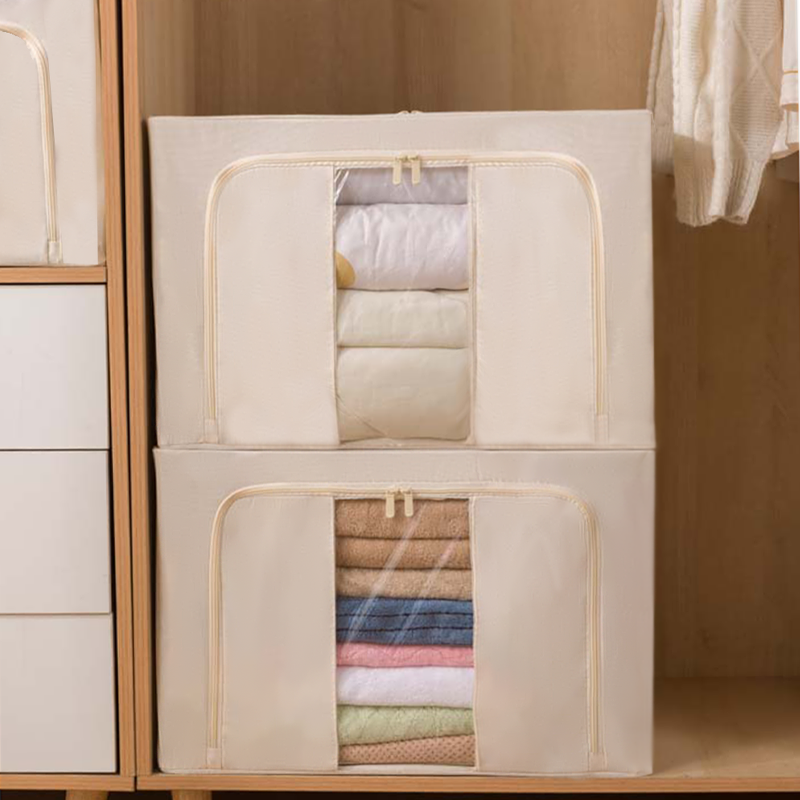
Space management in modern living environments has become increasingly critical as homes and apartments shrink in size while the need for functional furniture grows. A collapsible storage stool represents an innovative solution that addresses two fundamental challenges simultaneously: providing comfortable seating when needed and offering concealed storage capacity without permanently occupying floor space. Understanding the mechanical principles and design features that enable a collapsible storage stool to fold away compactly reveals why this furniture piece has become essential for minimalist homes, small apartments, recreational vehicles, and temporary living spaces where every square inch matters.
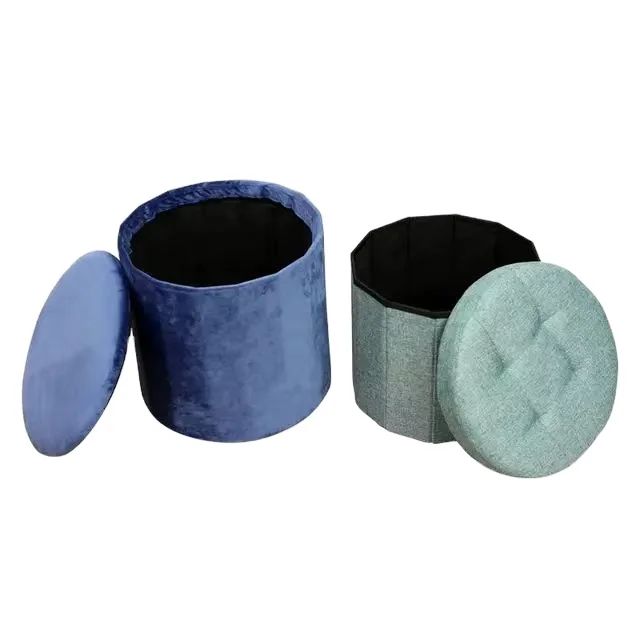
The genius of a collapsible storage stool lies in its engineered structure that transforms from a functional piece of furniture into a nearly flat package within seconds. This transformation capability stems from carefully designed frame systems, flexible material choices, and strategic joint mechanisms that allow the unit to collapse without compromising structural integrity during use. Whether you need extra seating for unexpected guests, a step stool for reaching high shelves, or hidden storage for seasonal items, the collapsible storage stool delivers versatility while maintaining the ability to disappear into closets, under beds, or behind doors when its services are no longer required.
Frame Design Principles That Enable Collapsibility
Articulated Support Structure Systems
The foundation of any collapsible storage stool begins with its frame architecture, which must balance load-bearing strength during use with flexibility during collapse. Most quality designs incorporate articulated metal or reinforced plastic frames featuring strategic pivot points that allow sections to fold inward or stack vertically. These pivot mechanisms typically utilize rivets, hinges, or interlocking joints positioned at precise angles calculated to maintain stability under weight while permitting smooth folding motion. The frame geometry follows engineering principles that distribute seated weight evenly across support points, preventing stress concentration that could cause structural failure or premature wear at connection points.
Advanced collapsible storage stool models employ X-frame or scissor-frame configurations where crossed supports create inherent stability through triangulated geometry. When the stool is opened for use, these crossed members lock into tension, creating a rigid platform capable of supporting substantial weight. The collapse sequence reverses this tension by releasing locking mechanisms that allow the frame members to pivot toward each other, reducing the overall dimensional envelope. Premium designs incorporate reinforced corner blocks and stress distribution plates at critical junction points, ensuring that repeated folding and unfolding cycles do not degrade the frame's structural integrity or introduce dangerous play in the joint mechanisms.
Material Selection for Dual Performance Requirements
The materials chosen for a collapsible storage stool must satisfy contradictory requirements: sufficient rigidity to support seated users safely while maintaining enough flexibility to bend or compress during the folding process. Frame tubes typically consist of lightweight aluminum alloys or high-impact thermoplastics that offer excellent strength-to-weight ratios. These materials resist permanent deformation under normal use loads but can flex slightly at designed pivot points without fracturing. The wall thickness of tubular frame members represents a critical engineering parameter, with manufacturers optimizing dimensions to achieve target weight capacities while minimizing overall mass and collapsed thickness.
Storage compartment walls in a collapsible storage stool frequently utilize semi-rigid fabrics, corrugated plastics, or thin composite panels that can fold flat or roll into compact configurations. Polyester canvas reinforced with internal stiffening wires provides an ideal combination of collapsibility and shape retention when deployed. Some designs incorporate memory materials that naturally return to their intended shape when unfolded, eliminating the need for complex locking mechanisms. The lid or seating surface typically features higher-density materials such as medium-density fiberboard, thick ABS plastic, or padded plywood that maintains a flat, stable surface while supporting seated weight, yet remains thin enough to stack efficiently when the stool collapses.
Locking and Release Mechanism Integration
For a collapsible storage stool to function safely, it must incorporate reliable locking systems that prevent accidental collapse during use while remaining easy to disengage when folding is desired. Common locking approaches include spring-loaded pins that automatically engage when the frame reaches full extension, cam locks that twist into position, or friction-based detents that hold frame members at specified angles. These mechanisms must withstand repeated actuation cycles without loosening or binding, requiring careful material selection and precise manufacturing tolerances. The user interface for these locks typically consists of buttons, levers, or squeeze-release grips positioned for intuitive access without requiring excessive force or complex manipulation sequences.
Safety considerations demand that locking mechanisms on a collapsible storage stool include fail-safe features preventing partial collapse under load. Many designs incorporate redundant locking points or require deliberate two-stage release actions that make accidental disengagement virtually impossible during normal sitting activities. The mechanical advantage built into release levers ensures that users can easily operate the folding mechanism even when the stool contains stored items, addressing practical usage scenarios where the unit might need to be collapsed without first emptying its contents. Visual indicators such as colored tabs or alignment marks help users confirm proper locking engagement before placing weight on the stool.
Storage Compartment Configuration and Access Methods
Volumetric Efficiency in Collapsed State
The storage capacity of a collapsible storage stool represents a primary value proposition, yet this interior volume must effectively disappear when the unit folds away. Designers achieve this volumetric transformation through various strategies including telescoping walls that nest inside each other, fabric panels that fold accordion-style, or segmented rigid panels connected by flexible hinges. The collapsed thickness of these storage compartments typically ranges from two to six inches, allowing the folded stool to slide into narrow spaces between furniture, fit under beds with minimal clearance, or hang on wall hooks in closets. This extreme compression ratio requires careful coordination between frame collapse patterns and storage wall folding sequences.
A well-engineered collapsible storage stool maintains accessibility to stored contents even in its deployed configuration, typically through removable lids that double as seating surfaces or side-access panels with zipper closures. The interior volume configuration must account for the space occupied by collapsed frame elements when the unit is folded, ensuring that stored items do not interfere with the collapse mechanism or prevent complete folding. Some advanced designs partition the storage area into permanent sections that remain accessible regardless of the stool's deployment state, offering a quick-access pocket or compartment that users can reach without fully unfolding the unit, particularly useful for frequently needed items.
Structural Integration Between Frame and Storage Elements
The storage walls in a collapsible storage stool often serve dual roles as both containment surfaces and structural reinforcement for the frame system. Fabric storage compartments typically attach to frame members via sewn channels, snap fasteners, or hook-and-loop strips that maintain proper alignment while allowing the fabric to gather or fold during collapse. Rigid storage panel designs incorporate slots or grooves that engage with frame tubes, creating a monocoque structure where the storage walls contribute to overall stiffness and weight-bearing capacity. This integration eliminates redundant structural elements, reducing total weight and part count while enhancing the unit's collapsibility.
The connection points between storage compartments and frames in a collapsible storage stool must accommodate the differential movement that occurs during folding, where frame members travel through arcs while storage panels fold along defined crease lines. Flexible attachment systems such as elastic loops, sliding clips, or pivoting brackets allow these disparate motion paths to coexist without binding or creating excessive tension that could damage materials. High-quality designs incorporate reinforced attachment zones with bar-tack stitching on fabric models or reinforced mounting bosses on rigid panel versions, ensuring these critical connection points withstand thousands of folding cycles without detachment or tearing.
Weight Distribution and Balance Considerations
When deployed, a collapsible storage stool must maintain stable geometry even when storage contents create uneven weight distribution or when users sit off-center. The frame geometry typically positions the footprint slightly wider than the seating surface, creating a stable base that resists tipping. Some designs incorporate weighted base elements or anti-slip feet that lower the center of gravity and increase friction with floor surfaces. The storage compartment positioning relative to the frame influences overall balance, with centered storage volumes providing better stability than offset configurations. Users benefit when manufacturers clearly specify maximum storage weight limits and provide guidance on proper loading techniques that maintain balance.
During the collapse sequence of a collapsible storage stool, the shifting weight of stored contents can affect ease of folding and create pinch hazards if heavy items slide toward closing gaps. Quality designs address this through internal dividers, elastic retention straps, or compartment geometries that naturally center contents away from moving frame elements. The folding procedure may require users to orient the stool in specific positions such as standing it on end or laying it flat to work with gravity rather than against it when collapsing units containing stored items. Clear instructional graphics or embossed folding sequences on the product itself help users execute proper collapse procedures safely and efficiently.
Deployment and Collapse Operational Sequences
Unfolding Procedure and Setup Verification
The process of transforming a collapsible storage stool from its compact storage configuration into a ready-to-use state typically follows a specific sequence designed for intuitive operation. Most models begin deployment by releasing perimeter straps or latches that secure the collapsed unit, then grasping designated handles or frame sections to initiate the unfolding motion. The frame naturally wants to spring open due to stored elastic energy in materials or spring-loaded components, requiring the user only to guide the motion and ensure proper locking engagement. Some designs feature one-motion deployment where a single pull on a tab or handle triggers automatic frame extension and lock engagement, particularly common in spring-assisted models.
Proper setup verification for a collapsible storage stool involves checking that all locking mechanisms have fully engaged before placing weight on the unit. Visual inspection points include confirming that frame tubes have reached their maximum extension with locking pins protruding through alignment holes, ensuring that support legs have spread to their full footprint width, and verifying that any secondary bracing elements have clicked into position. Tactile confirmation through applying gentle downward pressure while observing for any frame movement provides additional assurance that the stool has properly locked. Manufacturers often incorporate color-coded indicators, such as green tabs that only become visible when locks engage, offering clear go/no-go signals for safe use.
Collapsing Technique and Compact Storage Optimization
Folding a collapsible storage stool requires deliberate action to disengage locking mechanisms, typically starting with removing or securing the lid component if it detaches from the main structure. Users then actuate release buttons, levers, or squeeze grips while simultaneously applying inward or downward pressure to initiate frame collapse. The folding motion generally follows a reversed path from deployment, with frame members pivoting inward and storage walls compressing or folding along predetermined crease lines. Some models benefit from a two-person collapse procedure when fully loaded with stored items, as the shifting weight during folding can make control difficult for a single operator.
Achieving minimum collapsed dimensions with a collapsible storage stool often requires specific folding techniques such as ensuring fabric panels tuck inward rather than bunching outward, or verifying that hinged segments nest in the correct sequence. The final collapsed configuration typically benefits from securing straps or clips that prevent the unit from accidentally unfolding during transport or storage. Optimal storage positioning for the collapsed stool depends on its final form factor, with some designs creating flat profiles best stored horizontally under beds or vertically in closets, while others collapse into rectangular blocks that stack efficiently on shelves or in vehicle cargo areas. Understanding these dimensional characteristics helps users plan storage locations that accommodate the collapsed footprint while remaining accessible for future deployment.
Maintenance Requirements for Sustained Collapsibility
Maintaining smooth operation of a collapsible storage stool over extended service life requires periodic attention to pivot points, locking mechanisms, and material condition. Hinges and pivot pins benefit from occasional application of dry lubricants or silicone sprays that prevent corrosion and reduce friction without attracting dust accumulation. Locking mechanisms should be inspected for wear, with spring-loaded components checked for proper tension and cam locks verified for secure engagement. Fabric storage compartments require cleaning according to material specifications, with care taken to avoid harsh chemicals that might degrade synthetic fibers or waterproof coatings. Rigid storage panels benefit from periodic inspection for cracks or delamination, particularly at stress concentration points near frame attachment locations.
Users should periodically verify that their collapsible storage stool maintains structural integrity by testing weight capacity in a controlled manner and listening for unusual sounds during folding operations that might indicate worn components or misalignment. Frame tubes should be inspected for dents, bends, or corrosion that could compromise strength or interfere with smooth collapse motion. Replacement parts for high-wear components such as foot pads, locking pins, or attachment straps extend the functional life of quality units, with manufacturers of premium models typically offering service parts and repair guidance. Proper storage of the collapsed stool in dry, temperature-stable environments prevents material degradation between uses, particularly important for fabric components sensitive to moisture and ultraviolet exposure.
Application Scenarios and Space Management Strategies
Small Apartment and Micro-Living Integration
In compact urban apartments where square footage commands premium pricing, a collapsible storage stool delivers exceptional functionality-to-footprint ratios. These units provide emergency seating for guests without requiring permanent floor space allocation, then disappear into closets or under beds once visitors depart. The storage capacity addresses the chronic shortage of closet space in small apartments by creating hidden compartments for seasonal clothing, extra linens, or hobby supplies that would otherwise clutter limited cabinet space. Strategic placement of multiple collapsible storage stools throughout a small apartment creates a distributed storage network that remains invisible during daily life but stands ready to deploy when needed.
Residents of studio apartments particularly benefit from collapsible storage stool versatility, as these units can serve morning routines as dressing seats, transition to dining seating during meals, function as coffee table alternatives during entertainment, then fold away to maximize open floor space for exercise or other activities. The mobility of collapsed units allows easy reorganization of space configurations, supporting the dynamic space management essential to comfortable micro-living. Lightweight collapsed profiles enable residents to store multiple units in succession within narrow closet spaces or under platform beds, maintaining a ready reserve of seating and storage capacity that deploys in seconds when circumstances demand.
Recreational Vehicle and Marine Applications
The space constraints inherent to recreational vehicles and boats make collapsible storage stools nearly essential equipment for mobile living. These environments demand furniture that serves multiple functions while occupying minimal space during travel, when secure stowage and weight distribution critically affect vehicle handling and fuel efficiency. A collapsible storage stool addresses RV and marine needs by providing portable seating that moves easily between interior and exterior spaces, stores camping equipment or marine supplies in weatherproof compartments, and collapses to fit within limited cabinet or under-seat storage areas. The lightweight construction typical of quality collapsible designs minimizes impact on vehicle gross weight while the compact collapsed form allows multiple units to nest efficiently.
Marine environments place additional demands on collapsible storage stool materials, requiring corrosion-resistant hardware, UV-stable fabrics, and moisture-resistant rigid panels that withstand salt air and occasional water exposure. Models designed for boat use often incorporate drainage holes in storage compartments and feature materials that dry quickly after wet storage. The stability requirements intensify in marine applications where deck motion demands lower centers of gravity and wider footprints to prevent tipping in rough water. Recreational vehicle users benefit from models featuring attachment points for securing the deployed stool during travel, preventing movement that could damage interior finishes or create safety hazards during sudden stops.
Event Spaces and Temporary Installations
Organizations hosting events in multipurpose spaces rely on collapsible storage stools to provide flexible seating capacity that transforms venues from empty rooms to furnished environments within minutes. The rapid deployment capability allows event staff to scale seating arrangements precisely to attendance numbers, avoiding the empty-seat appearance that undermines event atmosphere or the crowded conditions that compromise comfort. Between events, the collapsed stools occupy minimal storage space in utility closets or dedicated equipment rooms, freeing the multipurpose space for alternative uses. The storage compartments serve event logistics by containing supplies, promotional materials, or equipment specific to different event types, creating pre-configured kits that deploy with their associated seating.
Temporary installations such as pop-up retail stores, trade show booths, or outdoor festivals benefit from collapsible storage stool portability and quick setup characteristics. These applications demand furniture that transports efficiently in vehicle cargo areas, deploys without tools or complex assembly, and projects appropriate aesthetics for commercial environments. Premium collapsible storage stool models feature customizable exterior finishes, removable cover panels accepting branding graphics, or modular configurations that create coordinated furniture groupings. The tear-down speed proves equally important as setup efficiency, allowing event staff to clear spaces rapidly when venues impose strict load-out deadlines or when weather conditions demand immediate action.
Selection Criteria and Performance Specifications
Load Capacity and Structural Safety Ratings
The weight capacity specification for a collapsible storage stool represents a critical safety parameter that users must respect to prevent structural failure and potential injury. Quality manufacturers test their designs to failure under controlled conditions, then rate products at percentages of ultimate strength that provide appropriate safety margins. Typical ratings range from 200 to 400 pounds for personal use models, with commercial-grade units certified for higher capacities. These ratings account for both static loads from seated users and dynamic loads from people sitting down abruptly or shifting weight. Users should verify that rated capacities exceed their body weight by comfortable margins, particularly when the stool will be used on uneven surfaces or by multiple people in succession.
Storage load capacity specifications address the maximum weight of items that can be safely contained within the collapsible storage stool without compromising frame integrity or collapse functionality. This rating typically differs from seating capacity since storage loads remain constant during frame collapse while seating loads only apply when the unit is deployed. Exceeding storage weight limits can prevent proper folding, damage frame components during collapse attempts, or create unsafe conditions by raising the center of gravity excessively. Conscientious users distribute stored weight evenly throughout compartments and avoid concentrating heavy items in ways that stress individual frame members or create balance issues.
Dimensional Specifications and Spatial Requirements
Understanding the deployed and collapsed dimensions of a collapsible storage stool enables proper application planning and storage space allocation. Deployed dimensions include overall height affecting seating comfort and reach for step-stool applications, seating surface diameter or dimensions determining accommodation for different body sizes, and footprint measurements indicating floor space requirements and stability characteristics. Collapsed dimensions specify the minimum envelope the folded unit occupies, critical for confirming fit within intended storage locations. Users should physically measure available storage spaces rather than estimating, accounting for door openings, shelf clearances, and access room needed to maneuver the collapsed unit into position.
The relationship between deployed and collapsed dimensions reveals the efficiency of the folding mechanism, with higher compression ratios indicating more sophisticated designs. A collapsible storage stool that reduces to one-tenth its deployed volume demonstrates superior engineering compared to models achieving only three-to-one compression, though mechanical complexity and cost typically increase with compression ratio. Some applications prioritize minimal collapsed thickness for under-furniture storage, while others emphasize reduced footprint for vertical closet storage. Identifying the primary spatial constraint in your specific environment guides selection toward models optimized for that dimensional priority.
Material Durability and Maintenance Requirements
The longevity of a collapsible storage stool depends heavily on material quality and construction techniques employed throughout the design. Frame materials should resist corrosion, maintain strength through temperature variations, and tolerate the stress concentrations that occur at pivot points and locking mechanisms. Storage compartment materials require evaluation for tear resistance, colorfastness, and ease of cleaning based on intended storage contents and usage environments. Seating surface materials must balance comfort, durability, and aesthetic considerations, with padded options offering superior comfort but requiring more maintenance than easy-clean hard surfaces.
Maintenance requirements vary significantly across collapsible storage stool designs, with some models featuring machine-washable fabric components while others demand spot cleaning or specialized care. Users should consider their tolerance for maintenance tasks when selecting models, as low-maintenance designs may sacrifice some performance characteristics or aesthetic options. Weather-resistant materials prove essential for outdoor applications or storage in uncontrolled environments, while indoor-only use permits lighter materials that optimize portability. Evaluating the availability of replacement parts and manufacturer support policies provides insight into long-term ownership costs and whether a damaged unit can be economically repaired or requires complete replacement.
FAQ
What makes a collapsible storage stool different from a regular folding stool?
A collapsible storage stool combines seating functionality with integrated storage compartments, whereas regular folding stools only provide seating. The collapsible design allows both the frame and storage elements to compress into minimal space, typically creating a much thinner profile than standard folding stools. The storage feature adds utility by providing concealed compartments for household items, and the collapsibility specifically enables the entire unit including storage walls to fold flat or compress significantly. Regular folding stools simply fold the legs or frame but maintain consistent overall dimensions, while a collapsible storage stool transforms its entire structure including storage volume into a compact package.
How much weight can a typical collapsible storage stool safely support?
Most residential-grade collapsible storage stools are rated to support between 200 and 400 pounds of seated weight when properly deployed and locked. This capacity depends on frame material quality, geometric design, and locking mechanism strength. The storage compartment typically has a separate weight rating ranging from 20 to 50 pounds for items stored inside. Users should always verify the specific weight ratings provided by the manufacturer for their particular model and ensure ratings exceed their intended use requirements by comfortable safety margins. Exceeding rated capacities can cause structural failure, collapse during use, or prevent proper folding functionality.
Can collapsible storage stools be used outdoors or only indoors?
The suitability of a collapsible storage stool for outdoor use depends entirely on its material construction and weather resistance features. Models built with powder-coated steel or aluminum frames, UV-resistant fabrics, and waterproof storage compartments can function effectively in outdoor environments for patio seating or camping applications. Indoor-only models typically feature materials that degrade under sun exposure, absorb moisture, or corrode when exposed to weather elements. Users planning outdoor applications should specifically select models marketed for outdoor use and verify features such as rust-resistant hardware, quick-drying materials, and UV-stable finishes. Even outdoor-rated models benefit from covered storage when not in use to maximize longevity.
How long does it take to set up or collapse a storage stool?
Most collapsible storage stools can be deployed from their collapsed state to ready-for-use condition in 10 to 30 seconds once users become familiar with the mechanism. Initial attempts may take longer as users learn the specific folding sequence and locking points. Collapsing the unit typically requires similar time, though models with spring-assisted mechanisms may fold faster than manual designs. Units containing stored items may require additional time to ensure contents remain secure during collapse. The setup and collapse speed depends on mechanism complexity, with simpler designs featuring fewer locking points operating faster than sophisticated models with multiple safety interlocks, though simpler mechanisms may sacrifice some stability or load capacity.