
 EN
EN
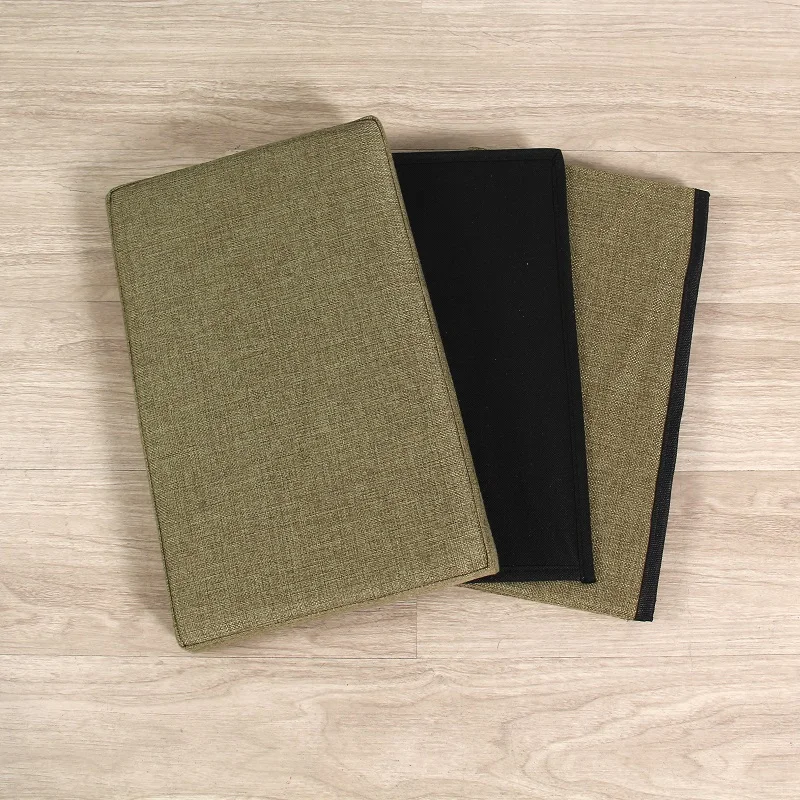
Modern homes demand furniture that serves multiple purposes without compromising on style or comfort. A storage footstool represents the perfect fusion of luxury seating and practical organization, offering homeowners an elegant solution to space constraints and clutter management. This innovative furniture piece transforms the traditional concept of a footrest into a sophisticated storage system that seamlessly integrates into any living space while maintaining the aesthetic appeal of premium seating furniture.
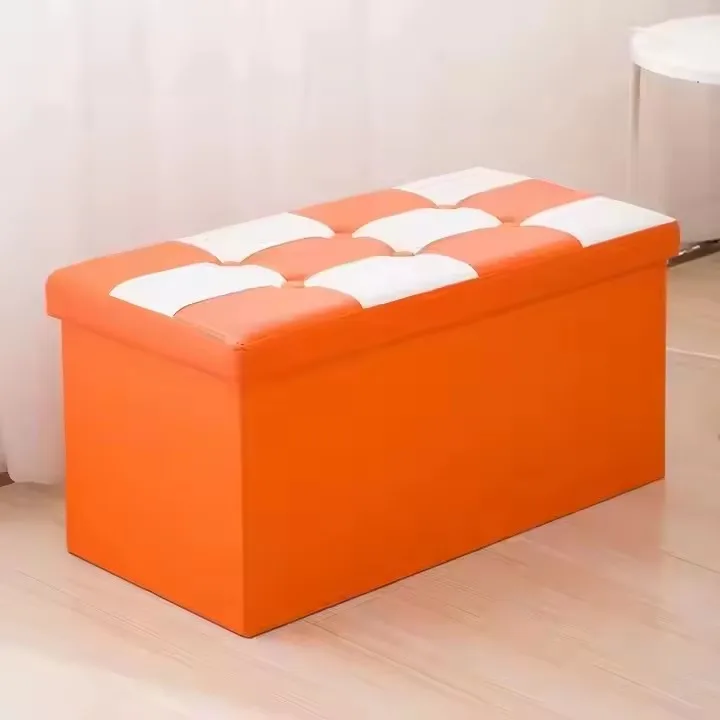
The genius of a storage footstool lies in its dual-purpose design that addresses two fundamental needs in contemporary interior design: comfortable seating and hidden storage. Unlike conventional furniture pieces that serve only one function, this versatile addition to your home combines the luxury of upholstered seating with the practicality of concealed organization space. The result is a furniture piece that maximizes utility while minimizing footprint, making it an essential element for space-conscious homeowners who refuse to compromise on comfort or style.
The Engineering Behind Dual-Function Design
Structural Integration of Seating and Storage
The foundation of any quality storage footstool begins with its internal framework, which must support both seating loads and storage accessibility. Premium models feature reinforced internal structures that distribute weight evenly across the base while maintaining a hollow interior for storage purposes. The engineering challenge involves creating a frame strong enough to support regular seating use while providing maximum internal volume for organization needs.
Modern storage footstool designs incorporate advanced joinery techniques and high-grade materials to ensure structural integrity. The internal framework typically consists of hardwood or metal reinforcement that creates a sturdy foundation capable of supporting significant weight loads. This structural approach allows the storage footstool to function reliably as both a comfortable seat and a secure storage container for years of regular use.
The lid mechanism represents another critical engineering element that distinguishes quality storage footstools from inferior alternatives. Premium designs feature soft-close hinges that prevent slamming while ensuring smooth operation throughout thousands of opening and closing cycles. This attention to mechanical detail reflects the luxury aspect of the furniture piece while maintaining long-term functionality.
Materials and Construction Methods
Luxury storage footstools employ premium materials that enhance both comfort and durability. High-quality upholstery fabrics or genuine leather provide the seating surface, while internal components utilize moisture-resistant materials to protect stored items. The combination of these materials creates a storage footstool that delivers on both aesthetic appeal and practical functionality.
The construction process involves multiple stages of assembly and quality control to ensure each storage footstool meets luxury furniture standards. Skilled craftsmen carefully align internal components, attach upholstery materials, and test mechanical functions before final inspection. This meticulous construction approach guarantees that every storage footstool delivers consistent performance and maintains its appearance throughout extended use.
Premium storage footstool models often incorporate additional features such as removable internal dividers, fabric lining, and reinforced corners that enhance organization capabilities. These construction details reflect the manufacturer's commitment to creating furniture that exceeds basic functionality expectations while maintaining the luxury positioning that discerning consumers demand.
Luxury Seating Experience and Comfort Features
Ergonomic Design Principles
The seating component of a storage footstool must deliver genuine comfort to justify its position as luxury furniture. Ergonomic considerations include proper height dimensions, adequate surface area, and appropriate cushioning density to support various seating positions and user weights. Quality storage footstool designs incorporate these principles to ensure the seating experience rivals dedicated seating furniture.
Cushioning systems in premium storage footstools utilize high-density foam or advanced padding materials that maintain their shape and support properties over time. This attention to comfort engineering ensures that the storage footstool provides consistent seating quality regardless of how frequently it serves storage access functions. The result is furniture that truly delivers on its dual-purpose promise without compromising either function.
Surface dimensions play a crucial role in determining seating comfort and versatility. A well-designed storage footstool offers sufficient surface area to accommodate different seating preferences while maintaining proportions that complement existing furniture arrangements. This balance between functionality and aesthetic integration represents a key aspect of luxury furniture design.
Upholstery and Surface Treatments
Luxury storage footstool models feature premium upholstery materials that enhance both comfort and visual appeal. Genuine leather, high-grade synthetic materials, and designer fabrics provide the surface treatment that defines the furniture piece's aesthetic character. These materials must withstand regular use while maintaining their appearance and tactile qualities throughout the furniture's service life.
The upholstery process involves precise pattern cutting, expert stitching, and careful attachment to ensure smooth surface finishes and durable seam construction. Premium storage footstool manufacturers employ skilled upholsterers who understand the specific requirements of dual-function furniture, including the need for flexible lid attachment and seamless surface integration.
Surface treatments may include protective coatings, stain-resistant applications, or specialized finishes that enhance durability while preserving luxury appearance. These treatments ensure that the storage footstool maintains its premium positioning even after extended use in high-traffic areas or family environments where spills and wear are common concerns.
Hidden Organization Systems and Storage Efficiency
Internal Space Optimization
The storage component of a storage footstool requires careful design to maximize internal volume while maintaining structural integrity and seating comfort. Interior dimensions must accommodate common storage needs such as blankets, pillows, books, remote controls, and personal items while providing easy access through the hinged lid mechanism.
Advanced storage footstool designs incorporate internal organization features such as removable compartments, adjustable dividers, and fabric pockets that enhance storage efficiency. These features transform the simple hollow interior into a sophisticated organization system that keeps stored items neat, accessible, and protected from dust or moisture.
Volume calculations and space utilization studies inform the design process to ensure maximum storage capacity without compromising the external dimensions or seating surface area. This optimization approach results in storage footstool designs that offer surprising storage capacity within compact exterior footprints that fit seamlessly into existing room layouts.
Accessibility and Security Features
Storage accessibility represents a critical factor in determining the practical value of any storage footstool. Quality designs feature lid mechanisms that open smoothly and remain stable in the open position, allowing users to access stored items safely and conveniently. Safety hinges prevent accidental closure while items are being retrieved or stored.
Security considerations may include locking mechanisms for valuable item storage or child-safety features that prevent unauthorized access. Premium storage footstool models balance security needs with convenience requirements to create furniture that serves multiple household members safely and effectively.
The storage environment within a quality storage footstool protects contents from external factors such as dust, light exposure, and minor moisture fluctuations. Internal lining materials and construction techniques create a controlled environment that preserves stored items while maintaining easy access for regular use.
Integration with Interior Design and Space Planning
Aesthetic Versatility and Style Compatibility
A storage footstool must integrate seamlessly with existing furniture arrangements while contributing positively to overall room aesthetics. Design versatility allows these pieces to complement various interior styles, from contemporary minimalism to traditional elegance, making them valuable additions to diverse home environments.
Color selection, texture variations, and finishing options enable storage footstool customization to match specific design schemes or create intentional accent pieces. This flexibility ensures that the furniture piece enhances rather than disrupts existing design themes while delivering its dual functionality benefits.
Proportional considerations help determine appropriate storage footstool sizing for specific room dimensions and furniture groupings. Proper scaling ensures that the piece contributes to balanced room compositions while providing adequate seating and storage capacity for intended uses.
Space Utilization and Room Flow
Strategic placement of a storage footstool can significantly enhance room functionality and traffic flow. These versatile pieces work effectively in living rooms, bedrooms, entryways, and family spaces where both seating and storage needs exist. Understanding optimal placement principles maximizes the benefit of this dual-function furniture.
The compact footprint of most storage footstool designs makes them ideal for small spaces where traditional furniture arrangements might feel crowded or inefficient. This space-saving characteristic allows homeowners to maintain comfortable seating capacity while gaining valuable storage without sacrificing room openness or movement paths.
Multi-room versatility enables storage footstool relocation as needs change or seasonal requirements shift. The combination of reasonable weight, appealing aesthetics, and universal functionality makes these pieces adaptable to changing household dynamics and evolving interior design preferences.
Practical Applications and Lifestyle Benefits
Daily Use Scenarios and Functionality
The practical applications of a storage footstool extend far beyond simple seating and storage functions. In entryways, these pieces provide convenient seating for shoe changes while storing seasonal accessories, umbrellas, or outdoor equipment. The combination of functions streamlines daily routines while maintaining organized, clutter-free spaces.
Living room applications include extra seating for guests, coffee table alternatives, and discreet storage for entertainment accessories, throws, or children's toys. The mobility of most storage footstool designs allows quick reconfiguration for different activities or social arrangements, enhancing room versatility.
Bedroom uses encompass seating for dressing activities, storage for extra bedding or seasonal clothing, and space-efficient organization solutions for smaller rooms. The storage footstool serves multiple bedroom functions without requiring dedicated floor space for separate furniture pieces.
Maintenance and Longevity Considerations
Proper maintenance ensures that a storage footstool continues delivering both luxury seating comfort and reliable storage access throughout years of regular use. Upholstery care requirements vary by material but generally include regular cleaning, protection from excessive moisture, and periodic conditioning for leather surfaces.
Mechanical components such as hinges and lid supports benefit from occasional lubrication and inspection to maintain smooth operation and prevent premature wear. Quality storage footstool designs minimize maintenance requirements while providing guidance for optimal care procedures that preserve both appearance and functionality.
Investment protection involves understanding proper usage limits, appropriate cleaning methods, and environmental considerations that affect longevity. A well-maintained storage footstool can provide decades of reliable service while maintaining its luxury appearance and organizational capabilities.
FAQ
What weight capacity should I expect from a quality storage footstool?
Most premium storage footstools support between 250-400 pounds when used as seating, depending on their construction and materials. The weight capacity depends on the internal framework design, joint construction quality, and base support system. Always check manufacturer specifications for specific weight limits, and consider both static seating loads and dynamic use patterns when evaluating capacity requirements for your household needs.
How much storage space is typically available inside a storage footstool?
Storage capacity varies significantly based on exterior dimensions, but typical storage footstools offer between 3-8 cubic feet of internal space. Compact models suitable for small spaces provide around 3-4 cubic feet, while larger designs can accommodate 6-8 cubic feet or more. The actual usable space depends on internal organization features, lid mechanism clearance, and the shape of items being stored.
Can a storage footstool replace traditional seating in small living spaces?
A storage footstool can effectively supplement traditional seating but may not completely replace dedicated seating furniture for daily comfort needs. These pieces excel as occasional seating, guest accommodation, and flexible seating options that can be moved as needed. For primary seating in small spaces, consider combining storage footstools with other compact seating solutions to ensure adequate comfort and support for extended use.
What maintenance is required to keep both seating and storage functions working properly?
Regular maintenance includes cleaning upholstery according to material specifications, lubricating hinges annually, checking for loose fasteners, and protecting stored items from moisture. Leather surfaces require periodic conditioning, while fabric upholstery benefits from regular vacuuming and prompt stain treatment. Inspect the internal storage area periodically to ensure proper ventilation and address any wear issues before they affect functionality.
Table of Contents
- The Engineering Behind Dual-Function Design
- Luxury Seating Experience and Comfort Features
- Hidden Organization Systems and Storage Efficiency
- Integration with Interior Design and Space Planning
- Practical Applications and Lifestyle Benefits
-
FAQ
- What weight capacity should I expect from a quality storage footstool?
- How much storage space is typically available inside a storage footstool?
- Can a storage footstool replace traditional seating in small living spaces?
- What maintenance is required to keep both seating and storage functions working properly?