Premium Ventilation Technology for Fabric Protection
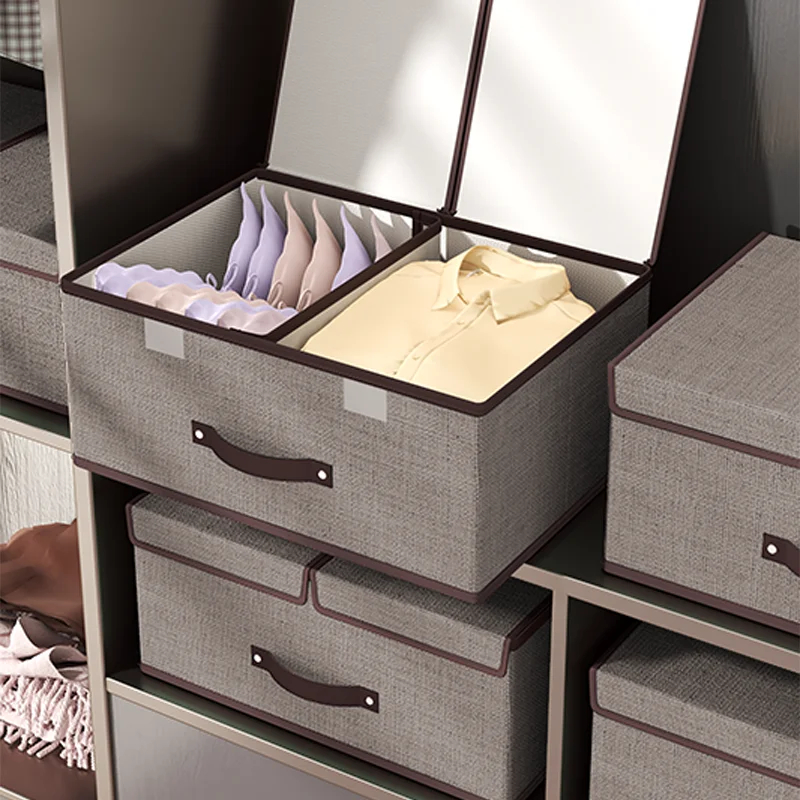
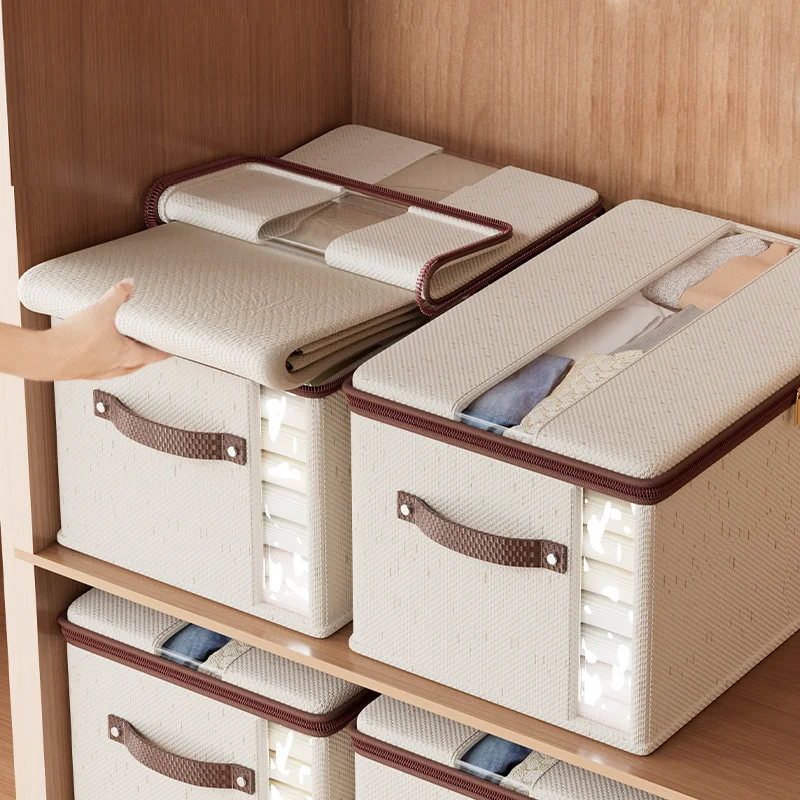
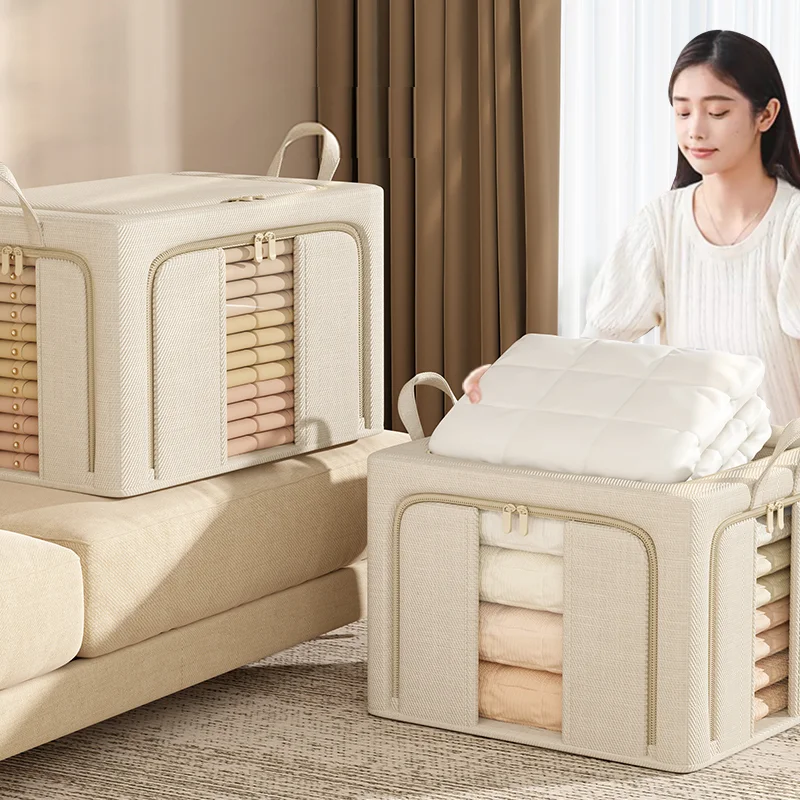
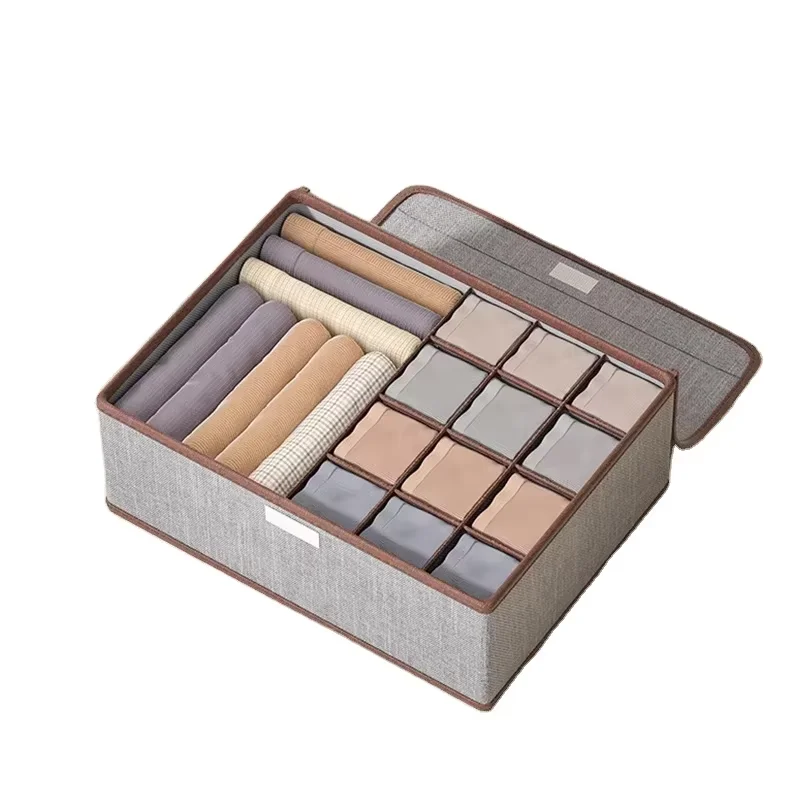
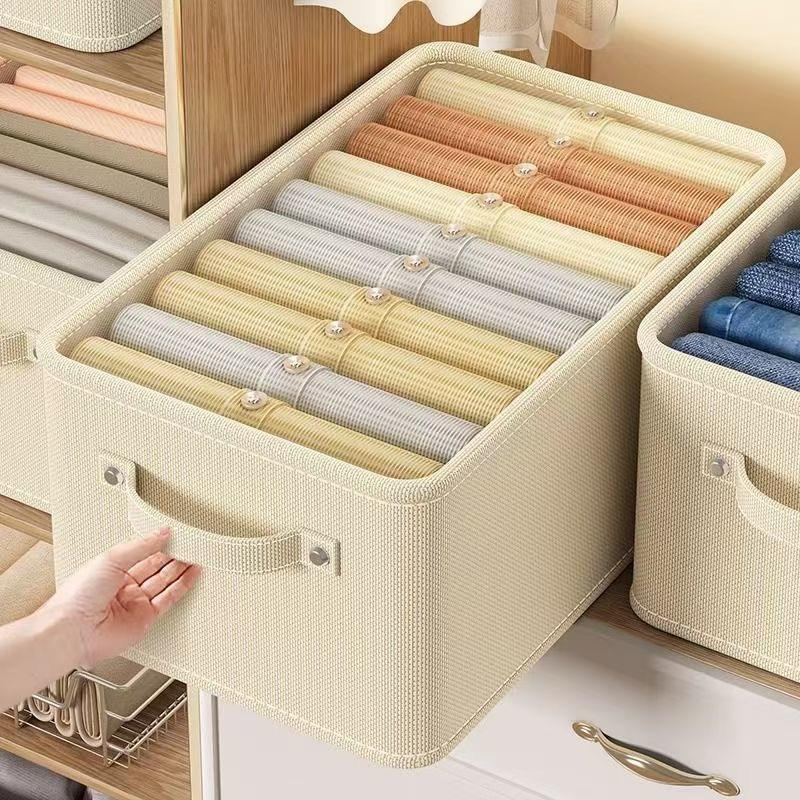
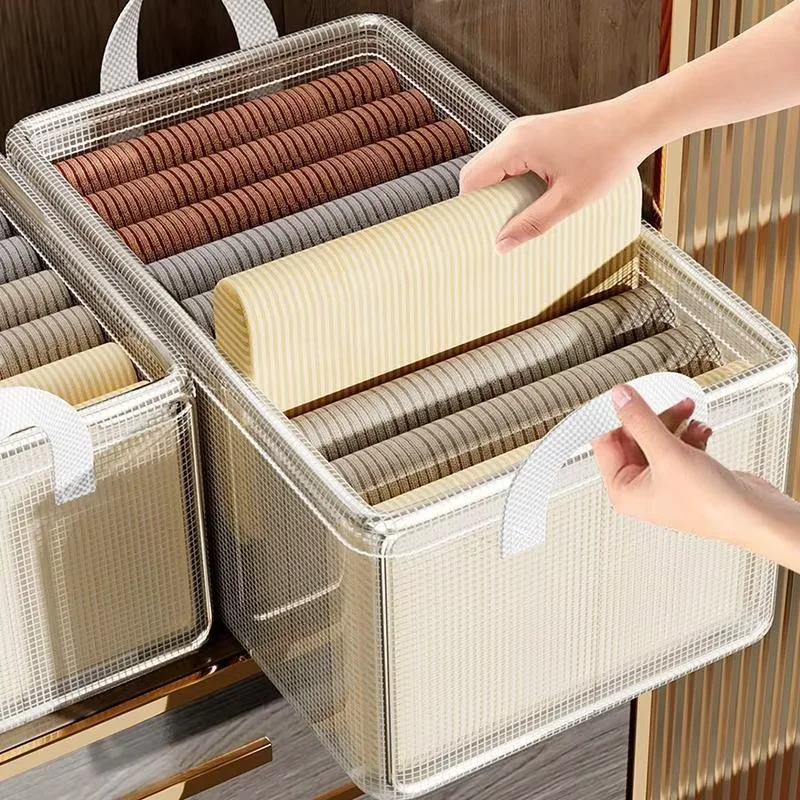
Premium ventilation technology integrated into stackable clothing bins addresses the critical challenge of maintaining fabric freshness and preventing moisture-related damage during extended storage periods. This advanced feature system incorporates strategically positioned mesh panels, micro-perforations, and air circulation channels that create optimal airflow patterns throughout stacked configurations, ensuring stored clothing remains in pristine condition regardless of storage duration or environmental conditions. The ventilation technology operates on the principle of controlled air exchange, allowing fresh air to circulate while preventing dust, pests, and excessive humidity from compromising stored garments. This sophisticated approach to fabric protection represents a significant advancement over traditional storage containers that trap moisture and create breeding grounds for mildew, moths, and other fabric-damaging elements. The engineering behind this ventilation system involves computational fluid dynamics modeling to optimize air movement patterns, ensuring every corner of each bin receives adequate circulation without creating turbulence that might disturb carefully folded garments. Different fabric types benefit uniquely from this ventilation technology, with natural fibers like cotton, wool, and silk requiring consistent airflow to prevent fiber degradation, while synthetic materials benefit from humidity control that prevents static buildup and fabric stiffening. The economic impact of this protection extends far beyond initial storage costs, as properly ventilated clothing maintains its original quality, color vibrancy, and structural integrity throughout storage cycles. High-value garments such as formal wear, seasonal coats, and delicate fabrics retain their investment value when stored in properly ventilated stackable clothing bins, eliminating the need for expensive professional cleaning or replacement due to storage-related damage. The ventilation system also contributes to household health by preventing the accumulation of allergens, dust mites, and mold spores that commonly develop in poorly ventilated storage environments. Families with members who have respiratory sensitivities particularly benefit from this feature, as it maintains cleaner air quality around stored clothing while preventing cross-contamination between garments. The technology adapts to seasonal variations, with increased ventilation during humid summer months and controlled circulation during dry winter periods, ensuring year-round fabric protection that maintains the freshness and wearability of stored garments.

 EN
EN